In the ever-evolving realm of information technology, cloud architecture has emerged as a transformative force, reshaping the way we store, process, and access data. It’s a paradigm shift that has revolutionized the way businesses operate, enabling them to achieve greater agility, scalability, and cost-effectiveness.
As we delve into the intricacies of cloud architecture, we’ll uncover its fundamental principles, explore its various types and components, and examine the best practices and emerging trends that are shaping its future.

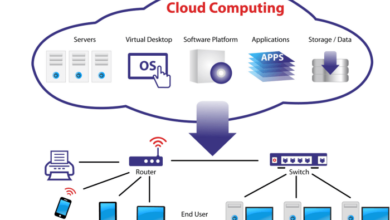
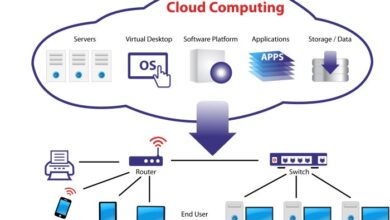
At its core, cloud architecture is a distributed computing model that allows users to access shared resources, such as storage, processing power, and applications, over the internet. This eliminates the need for organizations to maintain their own physical infrastructure, reducing costs and increasing efficiency.
With cloud architecture, businesses can scale their resources up or down as needed, pay only for what they use, and access their data and applications from anywhere in the world.
Overview of Cloud Architecture
In the realm of modern computing, cloud architecture has emerged as a transformative force, reshaping the way businesses and individuals store, process, and access data and applications. It is a paradigm shift from traditional on-premises infrastructure to a distributed, scalable, and flexible computing model that leverages the internet and remote servers.
At its core, cloud architecture encompasses a set of principles, technologies, and best practices that enable organizations to host and deliver services and applications over the internet, rather than maintaining their own physical infrastructure. This revolutionary approach offers numerous benefits, including cost savings, increased agility, enhanced security, and seamless scalability.
Fundamental Principles and Concepts
The foundation of cloud architecture rests upon several fundamental principles and concepts that govern its operation and effectiveness:
- Resource Pooling: Cloud architecture pools computing resources, such as storage, processing power, and memory, across a vast network of servers, enabling multiple users to access and share these resources simultaneously.
- Virtualization: Virtualization technology abstracts the physical hardware from the operating system and applications, allowing multiple virtual machines to run on a single physical server, optimizing resource utilization and enhancing efficiency.
- Scalability: Cloud architecture is inherently scalable, allowing organizations to seamlessly increase or decrease their resource usage based on demand, ensuring optimal performance and cost-effectiveness.
- Self-Service Provisioning: Cloud platforms offer self-service provisioning capabilities, empowering users to provision and manage their own resources without the need for IT intervention, accelerating time-to-market and fostering agility.
- Pay-as-You-Go Pricing: Cloud providers typically employ a pay-as-you-go pricing model, where users are charged only for the resources they consume, eliminating upfront capital expenditures and providing cost transparency.
Benefits and Advantages
The adoption of cloud architecture offers a plethora of benefits and advantages that have revolutionized the way businesses operate:
- Cost Savings: Cloud computing eliminates the need for organizations to invest in and maintain their own hardware and infrastructure, resulting in significant cost savings on capital expenditures and ongoing operational expenses.
- Increased Agility: Cloud architecture enables organizations to respond swiftly to changing business needs by provisioning and scaling resources on demand, facilitating rapid application development and deployment.
- Enhanced Security: Cloud providers implement robust security measures and protocols to protect data and applications, ensuring a higher level of security compared to traditional on-premises infrastructure.
- Seamless Scalability: Cloud architecture allows organizations to seamlessly scale their resources up or down based on demand, ensuring optimal performance and cost-effectiveness.
- Global Accessibility: Cloud services are accessible from anywhere with an internet connection, enabling remote work, collaboration, and seamless access to data and applications from any location.
Types of Cloud Architecture
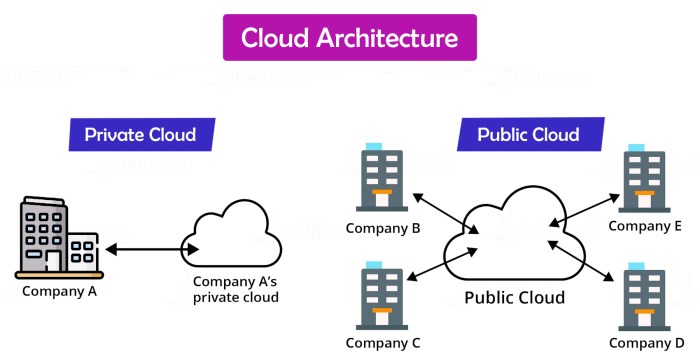
Cloud architecture models can be categorized based on various factors, including ownership, accessibility, and deployment environment. Each model offers unique characteristics, advantages, and limitations, making them suitable for different use cases and organizational needs. Let’s explore the four primary cloud architecture models: Public Cloud, Private Cloud, Hybrid Cloud, and Community Cloud.
Public Cloud
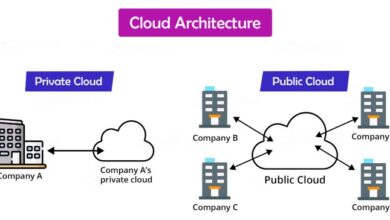
A Public Cloud is a cloud computing model where resources such as storage, computing power, and applications are owned and managed by a cloud service provider (CSP) and offered to multiple customers on a pay-per-use basis. The CSP is responsible for maintaining and updating the infrastructure, while customers can access and use the resources over the internet.
- Characteristics: Shared infrastructure, multi-tenancy, elastic scalability, self-service provisioning.
- Advantages: Cost-effective, scalable, flexible, no upfront investment, easy to manage.
- Limitations: Limited control and customization, security concerns, potential performance issues.
Private Cloud
A Private Cloud is a cloud computing model where resources are dedicated exclusively to a single organization. The organization owns and manages the infrastructure, either on-premises or through a managed service provider. A Private Cloud provides a high level of control, security, and customization, but it also requires significant upfront investment and ongoing maintenance.
- Characteristics: Dedicated infrastructure, single-tenant, customizable, secure.
- Advantages: High control, security, customization, predictable performance.
- Limitations: High cost, limited scalability, requires expertise to manage.
Hybrid Cloud
A Hybrid Cloud combines elements of both Public and Private Clouds. It allows organizations to deploy applications and data across different cloud environments, depending on their specific requirements. For example, an organization may use a Public Cloud for non-sensitive data and applications, while keeping sensitive data and applications in a Private Cloud.
- Characteristics: Combination of Public and Private Clouds, flexible resource allocation.
- Advantages: Cost-effective, scalable, secure, customizable.
- Limitations: Complexity of management, potential security risks, vendor lock-in.
Community Cloud
A Community Cloud is a cloud computing model where resources are shared among a group of organizations with common interests, goals, or regulatory requirements. This model provides a collaborative and cost-effective way for organizations to share infrastructure and services, while maintaining a higher level of control and security compared to a Public Cloud.
- Characteristics: Shared infrastructure, multi-tenant, controlled access.
- Advantages: Cost-effective, scalable, secure, collaborative.
- Limitations: Limited customization, potential performance issues, vendor lock-in.
Key Components of Cloud Architecture
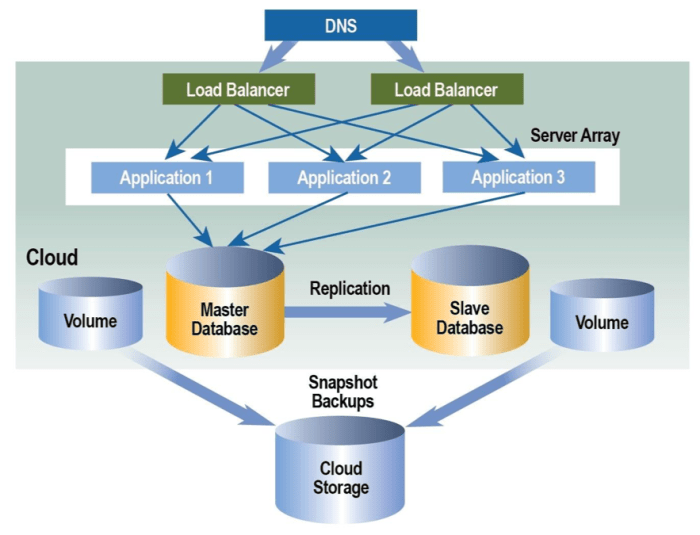
Cloud architecture is a complex and comprehensive system composed of several essential components that work together to deliver cloud services. These components can be broadly categorized into three primary types: Infrastructure as a Service (IaaS), Platform as a Service (PaaS), and Software as a Service (SaaS).
Each component offers distinct services and functionalities, enabling organizations to leverage cloud computing resources effectively.
Infrastructure as a Service (IaaS)
IaaS is the foundation of cloud architecture, providing the underlying infrastructure and resources required to run applications and services in the cloud. It encompasses virtual machines (VMs), storage, networking, and other essential infrastructure components. IaaS providers offer these resources on a pay-as-you-go basis, allowing organizations to scale their infrastructure up or down as needed.
Real-World Example: Amazon Web Services (AWS) is a prominent IaaS provider. Organizations can rent virtual servers, storage, and networking components from AWS and deploy their applications on these resources. This eliminates the need for organizations to invest in and maintain their own physical infrastructure.
Platform as a Service (PaaS)
PaaS builds upon the IaaS layer, providing a platform for developing, deploying, and managing applications in the cloud. It includes operating systems, programming languages, databases, and other development tools and frameworks. PaaS providers manage the underlying infrastructure, allowing developers to focus on building and deploying applications without worrying about the underlying infrastructure.
Real-World Example: Google App Engine is a popular PaaS offering. Developers can use App Engine to build and deploy web applications without managing the underlying infrastructure. App Engine provides scalability, load balancing, and other features that make it easy for developers to focus on application development.
Software as a Service (SaaS)
SaaS is the most user-friendly cloud architecture component. It involves delivering software applications over the internet on a subscription basis. SaaS providers host and manage the software applications and make them accessible to users through a web browser or mobile app.
Users can access the software without installing it on their local devices. Real-World Example: Microsoft Office 365 is a well-known SaaS offering. It provides a suite of productivity applications, including Word, Excel, PowerPoint, and Outlook, accessible through a web browser or mobile app.
Users can subscribe to Office 365 and use the applications without installing them on their devices.
Cloud Deployment Models
Cloud deployment models define the ownership, location, and access control of cloud services. Different deployment models cater to varying business needs, security requirements, and cost considerations.
The primary cloud deployment models include Public Cloud, Private Cloud, and Hybrid Cloud. Each model offers unique advantages and presents distinct challenges, making it crucial for organizations to carefully evaluate their requirements before selecting a deployment model.
Public Cloud
In the Public Cloud model, cloud services are hosted and managed by a third-party provider, such as Amazon Web Services (AWS), Microsoft Azure, or Google Cloud Platform. Public clouds offer scalability, flexibility, and cost-effectiveness, making them ideal for businesses looking to quickly provision and manage resources without the need for significant upfront investment in infrastructure.
Considerations:
- Cost-effectiveness: Public clouds offer pay-as-you-go pricing, allowing businesses to optimize their spending.
- Scalability: Public clouds provide on-demand scalability, enabling businesses to easily adjust their resource usage based on changing demands.
- Security: Public clouds implement robust security measures, but organizations must remain vigilant in protecting their data and applications.
Advantages:
- Cost savings: Public clouds eliminate the need for upfront investment in hardware, software, and maintenance.
- Scalability: Public clouds offer seamless scalability, allowing businesses to scale up or down their resources as needed.
- Reliability: Public clouds provide high levels of reliability and uptime, ensuring business continuity.
Challenges:
- Security: Organizations must carefully manage security and compliance in public clouds, as data and applications are hosted on shared infrastructure.
- Control: Businesses have limited control over the underlying infrastructure and services in public clouds.
- Vendor lock-in: Migrating from one public cloud provider to another can be complex and costly.
Security and Compliance in Cloud Architecture
In the dynamic and ever-evolving landscape of cloud computing, security and compliance play a paramount role in ensuring the integrity, confidentiality, and availability of data and systems. Cloud architecture incorporates a comprehensive suite of security measures and protocols to safeguard sensitive information and uphold regulatory standards.
Implementing robust security practices is essential for organizations leveraging cloud services. These measures encompass data encryption, access control, disaster recovery plans, and adherence to industry standards and regulatory requirements.
Data Encryption
Encryption serves as a cornerstone of cloud security, safeguarding data at rest and in transit. Advanced encryption algorithms, such as AES-256, are employed to render data unreadable to unauthorized individuals, minimizing the risk of data breaches and unauthorized access.
Access Control
Access control mechanisms govern who can access specific data and resources within the cloud environment. These mechanisms include authentication protocols, role-based access control (RBAC), and multi-factor authentication (MFA). RBAC assigns permissions based on user roles and responsibilities, while MFA adds an extra layer of security by requiring multiple forms of identification.
Disaster Recovery
Disaster recovery plans ensure business continuity in the event of unforeseen disruptions or outages. Cloud providers typically offer robust disaster recovery services, including data backup, replication, and failover capabilities. These services enable organizations to recover critical data and applications quickly, minimizing downtime and potential financial losses.
Regulatory Compliance
Cloud providers are responsible for adhering to a wide range of industry standards and regulatory requirements, such as HIPAA, PCI DSS, and GDPR. Compliance with these regulations ensures that cloud services meet specific security and privacy criteria, fostering trust among customers and stakeholders.
Cloud Architecture Design Principles
Effective cloud architecture adheres to fundamental design principles that ensure scalability, elasticity, fault tolerance, and cost optimization. These principles guide the design and implementation of cloud systems to achieve optimal performance, reliability, and efficiency.
By following these principles, organizations can create cloud architectures that are:
- Scalable: Able to handle increasing or decreasing demands for resources without disrupting operations.
- Elastic: Capable of automatically adjusting resources to meet changing needs, ensuring optimal utilization.
- Fault Tolerant: Designed to withstand failures and maintain service availability even in the event of hardware or software issues.
- Cost-Optimized: Efficiently utilizing resources to minimize operational expenses while delivering the required performance and functionality.
Scalability
Scalability in cloud architecture refers to the ability of a system to adapt to changing demands for resources. This means that the system can handle increased or decreased workloads without affecting performance or availability.
Scalability is achieved through the use of horizontal scaling, where additional resources (such as compute instances or storage capacity) are added to the system as needed. This allows the system to distribute the workload across multiple resources, improving performance and reliability.
Elasticity
Elasticity in cloud architecture refers to the ability of a system to automatically adjust its resources to meet changing needs. This means that the system can scale up or down as needed, ensuring that resources are used efficiently and costs are minimized.
Elasticity is achieved through the use of autoscaling, which is a feature of many cloud platforms that allows the system to automatically add or remove resources based on predefined rules. This ensures that the system always has the right amount of resources to meet the current demand.
Fault Tolerance
Fault tolerance in cloud architecture refers to the ability of a system to withstand failures and maintain service availability. This means that the system is designed to handle hardware failures, software bugs, and other disruptions without affecting the availability of the service.
Fault tolerance is achieved through the use of redundancy, which involves duplicating critical components of the system. This ensures that if one component fails, another component can take over its function without causing any disruption to the service.
Cost Optimization
Cost optimization in cloud architecture refers to the practice of minimizing operational expenses while delivering the required performance and functionality.
Cost optimization can be achieved through a variety of techniques, such as:
- Rightsizing: Selecting the appropriate instance types and resource configurations for each workload.
- Autoscaling: Automatically adjusting resources to meet changing needs, ensuring that resources are used efficiently.
- Spot Instances: Using spare capacity on the cloud provider’s infrastructure at a discounted rate.
- Reserved Instances: Committing to a long-term contract for resources in exchange for a lower price.
Cloud Architecture Best Practices
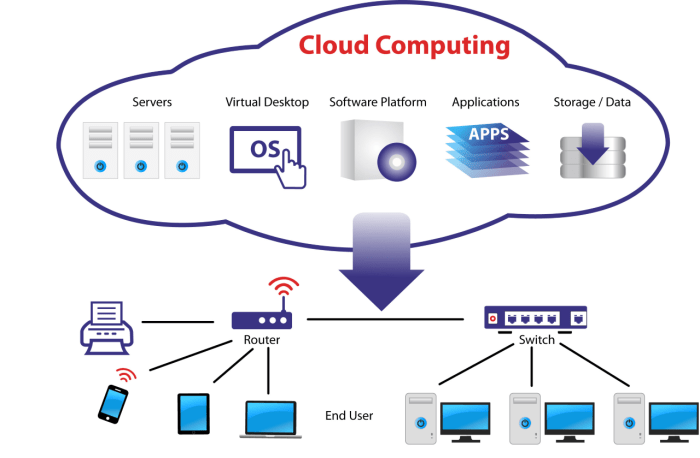
Designing and implementing a cloud architecture requires careful planning and adherence to best practices to ensure efficiency, scalability, and security. Here are key best practices and guidelines to consider:
Capacity Planning
Planning for adequate capacity is crucial to prevent performance bottlenecks and ensure smooth operations. Conduct thorough analysis of current and future resource requirements, considering factors such as peak usage, seasonal variations, and growth projections.
- Use monitoring tools to track resource utilization and identify trends.
- Implement auto-scaling mechanisms to adjust resource allocation based on demand.
- Consider using multiple cloud providers to distribute workload and avoid vendor lock-in.
Performance Optimization
Optimizing performance is essential for delivering a seamless user experience and maintaining application responsiveness. Implement strategies to minimize latency, improve throughput, and reduce resource contention.
- Use CDN (Content Delivery Networks) to cache static content closer to users.
- Optimize database queries and indexes to improve data retrieval performance.
- Implement load balancing to distribute traffic across multiple servers.
- Monitor application performance and identify bottlenecks for remediation.
Cost Management
Cloud computing offers flexible pricing models, but it’s essential to manage costs effectively to avoid overspending. Implement strategies to optimize resource utilization, identify cost-saving opportunities, and forecast future expenses.
- Use cloud cost optimization tools to track and analyze cloud spending.
- Choose the right pricing model (e.g., pay-as-you-go, reserved instances) based on usage patterns.
- Consider using spot instances for non-critical workloads to take advantage of discounted pricing.
- Implement cost-saving strategies such as rightsizing resources, consolidating workloads, and leveraging managed services.
Data Governance
Data governance is critical in cloud environments to ensure data integrity, security, and compliance. Establish policies and procedures for data management, access control, and data protection.
- Implement data classification and labeling to identify sensitive data.
- Enforce access controls and role-based permissions to restrict data access.
- Regularly monitor data usage and access patterns for anomalies and security breaches.
- Implement data encryption at rest and in transit to protect sensitive information.
Emerging Trends in Cloud Architecture
Cloud architecture is constantly evolving, with new trends and innovations emerging all the time. These trends are shaping the future of cloud computing and offering new opportunities for businesses to leverage the cloud’s capabilities. In this section, we will explore some of the most notable emerging trends in cloud architecture and discuss their potential impact on the industry.
Serverless Computing
Serverless computing is a cloud computing model in which the cloud provider manages the servers and infrastructure, allowing developers to focus on writing and deploying code without worrying about the underlying infrastructure. This model offers several benefits, including reduced operational costs, improved scalability, and faster time to market.
Serverless computing is particularly well-suited for applications that are event-driven or that experience unpredictable traffic patterns.
Edge Computing
Edge computing is a distributed computing paradigm that brings computation and data storage closer to the devices and users that need them. This approach reduces latency and improves performance for applications that require real-time processing or that generate large amounts of data.
Edge computing is often used in conjunction with cloud computing, with data and applications being processed at the edge and then stored or analyzed in the cloud. This hybrid approach can provide the best of both worlds, offering both low latency and scalability.
Artificial Intelligence and Machine Learning
Artificial intelligence (AI) and machine learning (ML) are rapidly changing the way that cloud applications are developed and deployed. AI and ML algorithms can be used to automate tasks, improve decision-making, and provide personalized experiences for users. These technologies are being used in a wide range of cloud applications, including natural language processing, image recognition, and fraud detection.
As AI and ML continue to advance, we can expect to see even more innovative and groundbreaking applications of these technologies in the cloud.
Multi-Cloud and Hybrid Cloud Strategies
Many organizations are adopting multi-cloud and hybrid cloud strategies to optimize their cloud deployments. Multi-cloud involves using multiple cloud providers, while hybrid cloud involves using a combination of cloud and on-premises resources. These strategies can provide several benefits, including improved availability, increased flexibility, and reduced costs.
As the cloud market continues to evolve, we can expect to see more organizations adopt multi-cloud and hybrid cloud strategies.
Last Word
In essence, cloud architecture is the cornerstone of modern computing, providing businesses with the flexibility, scalability, and cost-effectiveness they need to thrive in today’s digital landscape. As technology continues to advance, cloud architecture will undoubtedly evolve, offering even more innovative and transformative solutions for businesses worldwide.