In today’s digital era, cloud computing has revolutionized the way organizations operate and manage their IT infrastructure. With the advent of cloud architecture tools, the design, implementation, and management of cloud solutions have become more streamlined, efficient, and cost-effective. Join us on a journey to explore the world of cloud architecture tools, unravel their benefits, and delve into the best practices for their effective utilization.
Cloud architecture tools empower IT professionals with a comprehensive suite of features and capabilities that simplify the complexities of cloud infrastructure design and management. From designing scalable and resilient cloud architectures to automating provisioning and orchestration tasks, these tools play a pivotal role in optimizing cloud operations and accelerating digital transformation.

Understanding Cloud Architecture Tools
Cloud architecture tools are software applications and platforms that help architects design, manage, and optimize cloud computing environments. They provide a centralized platform for architects to visualize, model, and simulate cloud architectures, ensuring efficiency, scalability, and security.
There are various types of cloud architecture tools available, each catering to specific needs and aspects of cloud architecture. Some common types include:
Cloud Design and Modeling Tools
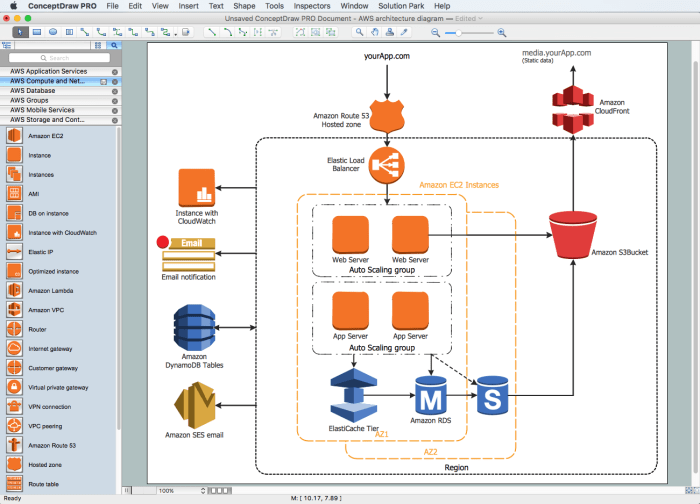
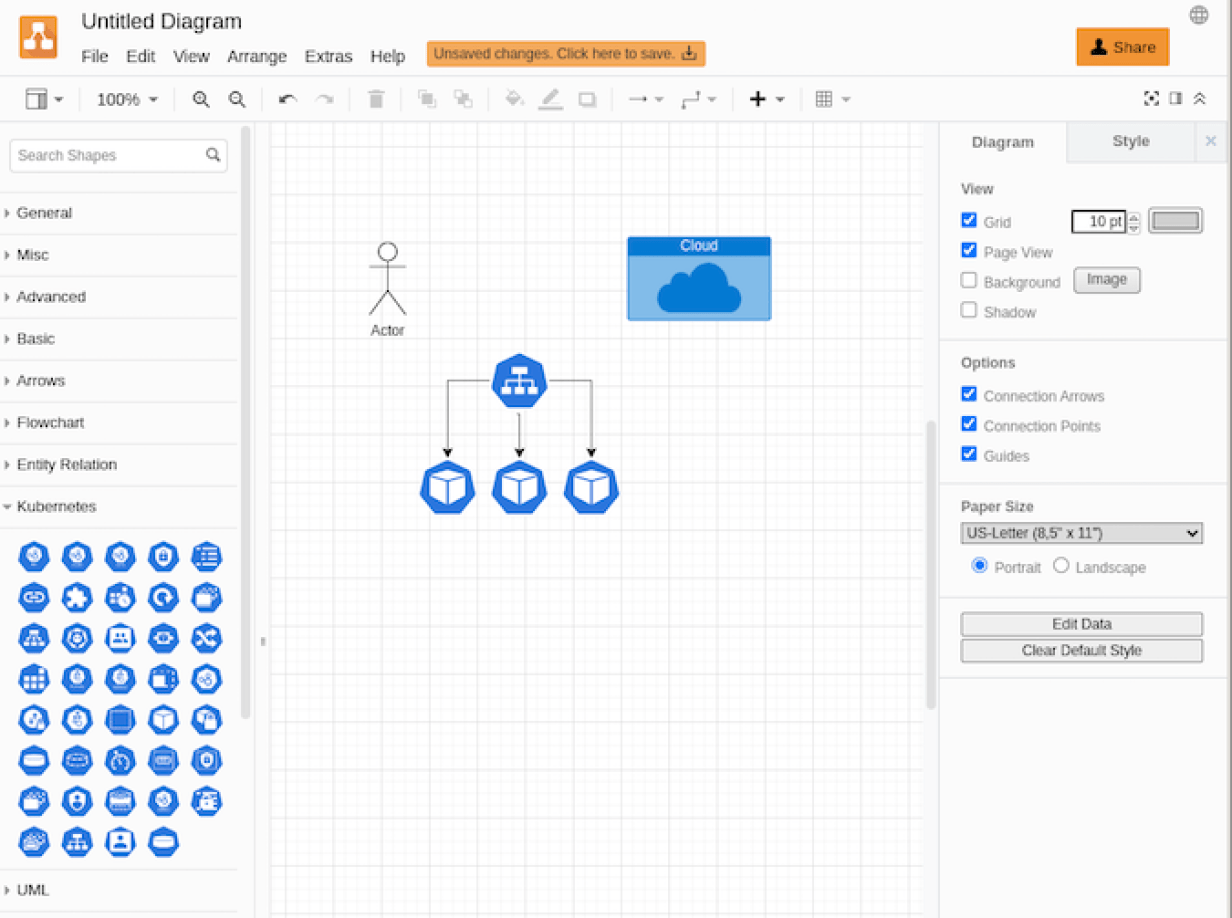
These tools allow architects to visually design and model cloud architectures using drag-and-drop interfaces and pre-built templates. They facilitate the creation of detailed diagrams and blueprints, enabling architects to experiment with different design options and optimize resource allocation.
Cloud Cost Estimation Tools
These tools help architects estimate the cost of deploying and operating cloud architectures. They analyze factors such as resource usage, pricing models, and historical data to provide accurate cost projections. This enables architects to make informed decisions about resource allocation and optimize cloud spending.
Cloud Performance Monitoring Tools
These tools provide real-time monitoring and analysis of cloud architectures. They track key metrics such as resource utilization, latency, and throughput, allowing architects to identify performance bottlenecks and optimize system performance.
Cloud Security Assessment Tools
These tools help architects assess the security posture of cloud architectures. They perform vulnerability scans, identify security misconfigurations, and provide recommendations for hardening cloud environments. This ensures compliance with security standards and regulations and protects cloud assets from threats.
Examples of Popular Cloud Architecture Tools
- AWS CloudFormation: A cloud design and modeling tool for AWS environments, enabling architects to create and manage cloud resources using templates.
- Azure Resource Manager: A cloud design and modeling tool for Azure environments, providing a centralized platform for managing and deploying cloud resources.
- Google Cloud Platform (GCP) Cloud Architecture Center: A comprehensive suite of tools for designing, modeling, and optimizing GCP architectures, including cost estimation, performance monitoring, and security assessment capabilities.
- CloudHealth by VMware: A cloud cost estimation and optimization tool that provides detailed insights into cloud spending and helps architects identify cost-saving opportunities.
- New Relic: A cloud performance monitoring tool that provides real-time visibility into cloud architectures, enabling architects to identify performance issues and optimize system performance.
Benefits of Using Cloud Architecture Tools
Harnessing the power of cloud architecture tools offers a plethora of advantages for organizations seeking to optimize their cloud infrastructure. These tools are designed to streamline and enhance the design, management, and monitoring of cloud environments, enabling businesses to reap numerous benefits.
By leveraging cloud architecture tools, organizations can:
Cost Optimization:
- Reduced Infrastructure Costs: Cloud architecture tools enable efficient resource allocation, eliminating the need for overprovisioning. This optimized utilization leads to significant cost savings.
- Elimination of Capital Expenditures: Organizations can avoid upfront capital investments in hardware and software by utilizing the pay-as-you-go model of cloud computing. This financial flexibility allows businesses to scale their cloud infrastructure as needed without incurring substantial upfront costs.
- Improved Cost Visibility: Cloud architecture tools provide detailed insights into cloud resource consumption and associated costs. This transparency enables organizations to identify areas for cost reduction and make informed decisions about resource allocation.
Enhanced Agility and Scalability:
- Rapid Provisioning and Scaling: Cloud architecture tools automate and expedite the provisioning and scaling of cloud resources. This agility enables organizations to respond swiftly to changing business demands, scaling up or down resources as needed.
- Increased Flexibility: Cloud architecture tools provide the flexibility to choose from various cloud providers and services, allowing organizations to tailor their cloud infrastructure to specific requirements. This flexibility empowers businesses to innovate and adapt to evolving market trends.
Improved Security and Compliance:
- Robust Security Features: Cloud architecture tools incorporate advanced security features, such as encryption, access control, and intrusion detection, ensuring the protection of sensitive data and compliance with regulatory standards.
- Simplified Compliance Management: Cloud architecture tools streamline compliance management by automating compliance checks and reporting. This automation reduces the burden of compliance and helps organizations maintain adherence to industry regulations.
Increased Efficiency and Productivity:
- Streamlined Cloud Management: Cloud architecture tools centralize and simplify cloud management tasks, reducing the complexity and time required to manage cloud infrastructure.
- Enhanced Collaboration: Cloud architecture tools facilitate collaboration among IT teams and business stakeholders, enabling seamless sharing of information and resources. This collaboration improves decision-making and accelerates project execution.
- Accelerated Innovation: Cloud architecture tools empower organizations to experiment with new technologies and applications rapidly. This agility fosters innovation and enables businesses to stay competitive in a fast-paced digital landscape.
Case Study: Acme Corporation’s Success with Cloud Architecture Tools
Acme Corporation, a leading provider of online education services, experienced remarkable benefits by implementing cloud architecture tools. The company was able to reduce its cloud infrastructure costs by 20% through optimized resource allocation and elimination of overprovisioning. Additionally, Acme Corporation enhanced its agility and scalability by automating resource provisioning and scaling, enabling it to respond swiftly to fluctuating demand for online courses.
Cloud architecture tools also played a crucial role in improving Acme Corporation’s security posture. The company leveraged the advanced security features of these tools to protect sensitive student data and comply with industry regulations. The centralized management and automation of compliance checks significantly reduced the burden of compliance management.
By harnessing the power of cloud architecture tools, Acme Corporation achieved substantial cost savings, improved agility and scalability, enhanced security and compliance, and accelerated innovation, leading to increased efficiency, productivity, and overall business success.
Key Considerations for Selecting Cloud Architecture Tools
Selecting the right cloud architecture tools is crucial for the success of any cloud project. Various factors need to be considered to ensure that the chosen tools align with the organization’s specific requirements and goals.
Evaluating Tool Capabilities
Assessing the capabilities of cloud architecture tools is essential. Consider factors such as:
- Functionality: Evaluate if the tool offers the necessary features and functionalities to meet your specific cloud architecture needs.
- User Interface: Consider the tool’s user interface and ease of use. A user-friendly interface can enhance productivity and streamline the cloud architecture process.
- Scalability: Ensure the tool can scale to accommodate your organization’s growing cloud infrastructure and evolving needs.
- Integration: Assess the tool’s ability to integrate with existing systems, such as cloud platforms, development tools, and monitoring solutions.
Security and Compliance
Security is a top priority when selecting cloud architecture tools. Consider the following:
- Security Features: Evaluate the tool’s security features, such as encryption, access control, and data protection capabilities.
- Compliance: Ensure the tool complies with relevant industry standards and regulations, such as GDPR or HIPAA, if applicable.
- Regular Updates: Verify that the tool provider offers regular security updates and patches to address vulnerabilities.
Support and Maintenance
Consider the level of support and maintenance offered by the tool provider:
- Documentation: Assess the quality and availability of documentation, tutorials, and resources provided by the tool provider.
- Technical Support: Evaluate the responsiveness and expertise of the tool provider’s technical support team.
- Community Support: Check if there is an active community of users and developers who can provide assistance and share insights.
Best Practices for Utilizing Cloud Architecture Tools
Harnessing the full potential of cloud architecture tools requires a combination of strategic planning and mindful implementation. By integrating these tools seamlessly into existing cloud environments, organizations can optimize their cloud infrastructure, streamline operations, and enhance overall performance.
Integrate with Existing Environments
Prior to implementing cloud architecture tools, it is crucial to conduct a thorough assessment of the existing cloud environment. This includes identifying potential integration points, understanding the compatibility of existing systems with the new tools, and evaluating the impact on ongoing operations.
By planning for a smooth integration process, organizations can minimize disruption and ensure a successful transition.
Establish Clear Goals and Objectives
Clearly defined goals and objectives serve as the foundation for successful cloud architecture tool implementation. These objectives should align with the overall business strategy and address specific pain points or areas for improvement. By having a clear understanding of the desired outcomes, organizations can select the most appropriate tools and tailor their implementation strategy accordingly.
Foster a Culture of Continuous Learning
The cloud landscape is constantly evolving, with new technologies and tools emerging regularly. To stay ahead of the curve, organizations must foster a culture of continuous learning and professional development among their IT teams. This includes providing opportunities for training, encouraging experimentation, and promoting knowledge sharing within the team.
By staying up-to-date with the latest advancements, organizations can maximize the value derived from their cloud architecture tools.
Monitor and Measure Performance
Regular monitoring and measurement of tool performance are essential for ensuring optimal utilization and identifying areas for improvement. Organizations should establish key performance indicators (KPIs) that align with their business objectives and use these metrics to track the effectiveness of their cloud architecture tools.
By continuously monitoring performance, organizations can proactively address any issues, optimize tool configurations, and make data-driven decisions to enhance efficiency and ROI.
Emerging Trends in Cloud Architecture Tools
The landscape of cloud architecture tools is undergoing a period of rapid transformation, driven by technological advancements and evolving industry demands. These trends are reshaping the way organizations design, manage, and optimize their cloud infrastructure.
Serverless Architecture
Serverless architecture is a cloud computing model that allows developers to build and run applications without managing servers or infrastructure. This approach simplifies the development process, reduces operational costs, and improves scalability.
Microservices
Microservices is an architectural style that decomposes an application into a collection of loosely coupled, independently deployable services. This modular approach enables greater flexibility, agility, and scalability.
Containerization
Containerization is a technology that packages an application and its dependencies into a standalone, executable package called a container. Containers are lightweight and portable, making them ideal for deploying applications across different environments.
Artificial Intelligence and Machine Learning
Artificial intelligence (AI) and machine learning (ML) are increasingly being integrated into cloud architecture tools to automate tasks, optimize performance, and improve security. AI-powered tools can analyze large volumes of data, identify patterns, and make recommendations to improve cloud architecture.
Edge Computing
Edge computing is a distributed computing paradigm that brings computation and data storage closer to the edge of the network, where data is generated and consumed. This approach reduces latency, improves performance, and enhances security.
Designing and Implementing Cloud Architectures with Tools
Cloud architecture tools play a crucial role in designing and implementing effective cloud solutions. They provide architects and engineers with a comprehensive set of features and functionalities to streamline the entire process, from planning and design to deployment and management.
This section explores how cloud architecture tools can be leveraged to create robust and scalable cloud architectures.
Step-by-Step Guide to Designing and Deploying Cloud Solutions
Designing and deploying cloud solutions using cloud architecture tools involves a systematic approach that includes the following steps:
- Requirement Gathering and Analysis: Identify business needs, objectives, and constraints. Analyze current IT infrastructure and applications to determine the best fit for cloud migration.
- Cloud Architecture Planning: Develop a high-level architecture diagram outlining the components, services, and interconnections within the cloud environment. Consider factors such as scalability, security, and compliance.
- Cloud Vendor Selection: Evaluate different cloud providers based on factors such as cost, performance, reliability, and support. Choose the provider that best aligns with the project requirements.
- Cloud Deployment Strategy: Determine the deployment model (public, private, or hybrid) and migration approach (lift-and-shift, re-platforming, or refactoring). Develop a detailed migration plan to minimize downtime and ensure a smooth transition.
- Cloud Architecture Implementation: Use cloud architecture tools to provision and configure cloud resources, such as virtual machines, storage, and networking. Implement security measures, monitoring, and logging mechanisms to ensure the security and reliability of the cloud environment.
- Performance Monitoring and Optimization: Continuously monitor the cloud environment to identify performance bottlenecks and resource utilization trends. Use cloud architecture tools to optimize resource allocation, adjust configurations, and scale services to meet changing demands.
Diagram Depicting the Process of Designing and Implementing Cloud Architectures with Tools
The following diagram provides a comprehensive overview of the process of designing and implementing cloud architectures with tools:
[Insert a comprehensive diagram or illustration depicting the process]
This diagram illustrates the key steps involved in designing and deploying cloud solutions using cloud architecture tools, from requirement gathering and analysis to performance monitoring and optimization.
Case Studies and Examples of Cloud Architecture Tools in Action
The successful implementation of cloud architecture tools has transformed IT infrastructure and operations for many organizations. Let’s explore real-world case studies showcasing the impact of these tools and the challenges overcome.
Case Study: Cloud Migration with AWS Tools
Company X, a global retailer, embarked on a cloud migration journey to enhance agility, scalability, and cost-effectiveness. They utilized AWS tools such as AWS Migration Hub, AWS Server Migration Service, and AWS Database Migration Service to seamlessly migrate their on-premises applications and databases to the AWS cloud.
Challenges:
- Coordinating the migration of numerous applications and databases with minimal downtime.
- Ensuring data integrity and security during the migration process.
Solutions:
- AWS Migration Hub provided a centralized platform to plan, track, and manage the entire migration process.
- AWS Server Migration Service facilitated seamless application migration with minimal downtime.
- AWS Database Migration Service ensured data integrity and security during the database migration.
Results:
- Company X successfully migrated its entire IT infrastructure to the AWS cloud, achieving significant cost savings and improved scalability.
- The organization gained increased agility and flexibility to respond to changing market demands.
Case Study: Cloud Infrastructure Automation with Azure Tools
Company Y, a leading financial services provider, aimed to automate its cloud infrastructure management to improve efficiency and reduce operational costs. They adopted Azure tools like Azure Resource Manager, Azure Automation, and Azure Functions to achieve their goals.
Challenges:
- Managing a complex and rapidly growing cloud infrastructure with manual processes.
- Ensuring consistency and compliance across multiple cloud environments.
Solutions:
- Azure Resource Manager enabled the creation and management of cloud resources in a consistent and structured manner.
- Azure Automation facilitated the automation of repetitive tasks, reducing manual effort and improving efficiency.
- Azure Functions allowed the creation of serverless functions to handle specific tasks, simplifying infrastructure management.
Results:
- Company Y achieved significant cost savings by eliminating the need for manual infrastructure management.
- The organization improved its agility and responsiveness to changing business requirements.
- Azure tools ensured compliance with industry regulations and standards.
Final Conclusion
In conclusion, cloud architecture tools have emerged as indispensable allies for organizations navigating the ever-evolving landscape of cloud computing. Their ability to streamline processes, optimize performance, and enhance security makes them essential for businesses seeking to harness the full potential of the cloud.
As cloud technologies continue to advance, we can expect even more innovative and sophisticated tools to emerge, further empowering organizations to unlock the boundless possibilities of the cloud.