In the ever-evolving landscape of cloud computing, cloud architecture governance has emerged as a cornerstone for organizations seeking to harness the transformative power of the cloud securely and efficiently. This comprehensive guide delves into the intricacies of cloud architecture governance, providing a roadmap for organizations to navigate the challenges and reap the rewards of cloud adoption.
As businesses embrace the cloud’s agility, scalability, and cost-effectiveness, the need for effective governance becomes paramount. Cloud architecture governance establishes a framework for organizations to align their cloud strategies with business objectives, ensuring compliance, security, and optimal performance. This guide serves as an invaluable resource for architects, IT leaders, and decision-makers seeking to establish a robust cloud governance framework, optimize costs, manage risks, and drive innovation in their cloud environments.

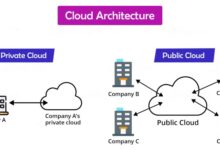
Governance Framework for Cloud Architecture
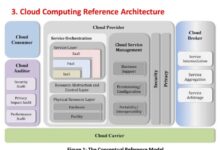
Establishing a robust governance framework is crucial for effective cloud architecture management. It ensures alignment with organizational objectives, compliance with regulations, and efficient resource utilization.
Key Components of a Cloud Architecture Governance Framework
- Vision and Objectives: Clearly defined goals and objectives for cloud adoption, aligned with the organization’s overall strategy.
- Roles and Responsibilities:明確に定義されたクラウドガバナンスの役割と責任、明確に定義された意思決定プロセスのオーナーシップ。
- Policies and Standards: Consistent policies and standards governing cloud architecture design, implementation, and operation.
- Risk Management: Processes for identifying, assessing, and mitigating risks associated with cloud adoption.
- Compliance and Audit: Mechanisms for ensuring compliance with regulatory requirements and conducting regular audits to assess adherence to policies and standards.
- Continuous Improvement: A framework for ongoing monitoring, evaluation, and improvement of cloud architecture governance practices.
Roles and Responsibilities of Stakeholders in Cloud Governance
Effective cloud governance requires the involvement and collaboration of various stakeholders across the organization.
- Executive Leadership: Provides strategic direction, sets objectives, and ensures alignment with organizational goals.
- IT Leadership: Responsible for implementing and managing the cloud architecture, ensuring compliance with policies and standards.
- Cloud Architects: Design and develop cloud solutions, ensuring adherence to best practices and architectural principles.
- Cloud Engineers: Implement and maintain cloud infrastructure and applications, ensuring operational efficiency and security.
- Security and Compliance Teams: Ensure compliance with regulatory requirements and organizational security policies.
- Business Unit Representatives: Provide input on business requirements and ensure alignment of cloud solutions with business objectives.
Best Practices for Implementing a Cloud Governance Framework
- Establish a Clear Governance Structure: Define roles, responsibilities, and decision-making processes for cloud governance.
- Develop Comprehensive Policies and Standards: Create clear and concise policies and standards covering all aspects of cloud architecture and operations.
- Implement Risk Management Processes: Identify and assess risks associated with cloud adoption and implement mitigation strategies.
- Ensure Compliance and Audit: Establish mechanisms for ongoing compliance monitoring and regular audits to assess adherence to policies and standards.
- Foster a Culture of Continuous Improvement: Encourage ongoing monitoring, evaluation, and improvement of cloud governance practices.
Compliance and Regulatory Considerations
In the realm of cloud architecture governance, compliance and regulatory considerations hold paramount importance. Adhering to industry regulations and standards ensures the alignment of cloud architecture with legal and ethical obligations, safeguarding sensitive data and maintaining trust among stakeholders.
The regulatory landscape for cloud environments is a complex and ever-evolving tapestry. To navigate this intricate terrain, organizations must remain abreast of industry-specific regulations and standards, such as the Health Insurance Portability and Accountability Act (HIPAA) in the healthcare sector or the General Data Protection Regulation (GDPR) in the European Union.
These frameworks set forth stringent guidelines for data protection, privacy, and security, mandating organizations to implement robust measures to safeguard sensitive information.
Common Compliance Requirements and Frameworks
The vast array of compliance requirements and frameworks applicable to cloud environments can be daunting. However, a comprehensive understanding of these regulations is crucial for organizations seeking to maintain compliance. Some of the most prevalent frameworks include:
- ISO 27001: A globally recognized information security management standard, ISO 27001 provides a comprehensive framework for implementing and maintaining a robust information security management system.
- PCI DSS: Specifically tailored for organizations that process credit card data, the Payment Card Industry Data Security Standard (PCI DSS) Artikels stringent security requirements to protect cardholder data.
- SOC 2: The Service Organization Control (SOC) 2 framework encompasses a comprehensive set of security and control measures for organizations providing cloud services to customers.
These frameworks, among others, serve as benchmarks for organizations to assess and demonstrate their compliance with industry regulations and standards.
Aligning Cloud Architecture with Regulatory Obligations
Achieving alignment between cloud architecture and regulatory obligations requires a systematic and proactive approach. Organizations should consider the following steps:
- Identify Applicable Regulations: Conduct a thorough analysis to identify the regulations and standards that apply to the organization’s cloud environment. This assessment should consider industry-specific requirements, geographic locations, and the nature of data being processed.
- Assess Current Compliance Status: Evaluate the existing cloud architecture against the identified regulations and standards. This assessment should uncover gaps and areas for improvement.
- Develop a Compliance Roadmap: Based on the assessment findings, create a comprehensive roadmap outlining the steps necessary to achieve compliance. This roadmap should prioritize critical actions and establish a timeline for implementation.
- Implement and Monitor Compliance Measures: Execute the compliance roadmap by implementing the necessary security controls, policies, and procedures. Continuously monitor and review the effectiveness of these measures to ensure ongoing compliance.
By diligently following these steps, organizations can align their cloud architecture with regulatory obligations, ensuring a secure and compliant environment that fosters trust and confidence among stakeholders.
Cost Optimization and Resource Management
In the realm of cloud architecture governance, cost optimization and resource management are paramount to ensuring fiscal responsibility and operational efficiency. Cloud spending can rapidly escalate if left unchecked, making it crucial to adopt strategies that minimize costs while maximizing the value derived from cloud services.
Cost optimization in cloud architecture governance involves implementing measures to reduce cloud spending without compromising performance or functionality. This can be achieved through various strategies, including:
- Rightsizing Resources: Regularly reviewing and adjusting cloud resource allocation to ensure that applications and workloads are provisioned with the appropriate amount of resources. This prevents overprovisioning, which leads to wasted resources and increased costs.
- Utilizing Spot Instances: Spot instances are spare cloud computing capacity that is available at a discounted rate. By leveraging spot instances for non-critical workloads, organizations can significantly reduce their cloud spending.
- Optimizing Cloud Storage: Employing cost-effective storage options, such as standard storage for infrequently accessed data and archive storage for long-term data retention, can help organizations save on storage costs.
Efficient resource allocation and capacity planning are also essential aspects of cost optimization. Organizations should employ tools and techniques to monitor resource utilization and forecast future demand. This enables them to make informed decisions about resource allocation, ensuring that resources are utilized effectively and that there is sufficient capacity to meet peak demand without overprovisioning.
Security and Risk Management
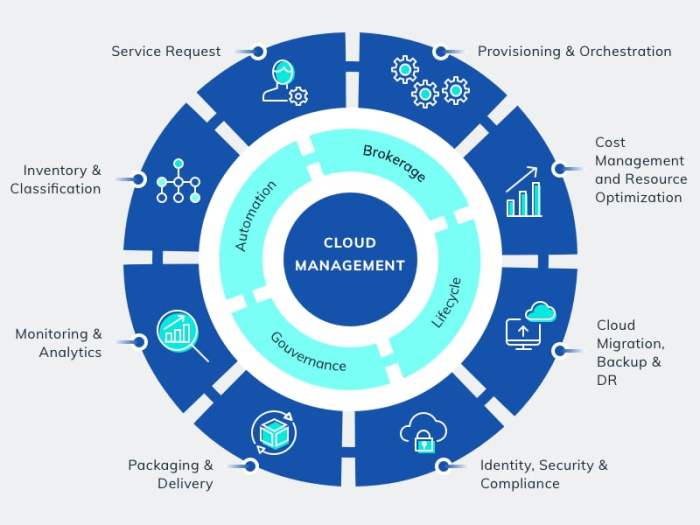
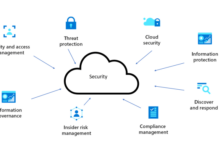
Cloud architecture presents unique security challenges due to its distributed nature, shared responsibility model, and reliance on internet connectivity. Understanding these risks and implementing robust security measures is crucial for ensuring the confidentiality, integrity, and availability of data and services in the cloud.
Security Risks and Vulnerabilities
- Data Breaches: Unauthorized access to sensitive data can lead to data theft, fraud, and reputational damage.
- Malware and Viruses: Cloud environments are susceptible to malware and virus attacks that can disrupt operations and compromise data.
- DDoS Attacks: Distributed Denial of Service (DDoS) attacks can overwhelm cloud resources, causing service outages and disruptions.
- Account Hijacking: Compromised user credentials can allow unauthorized individuals to gain access to cloud accounts and resources.
- Insider Threats: Malicious insiders with authorized access can pose significant security risks, such as data theft or sabotage.
Best Practices for Cloud Security
Implementing robust security measures is essential for mitigating these risks and ensuring the security of cloud environments.
- Encryption: Encrypting data at rest and in transit protects it from unauthorized access.
- Access Control: Implement granular access controls to restrict access to resources based on roles and permissions.
- Regular Security Audits: Conduct regular security audits to identify vulnerabilities and ensure compliance with security standards.
- Multi-Factor Authentication: Require multi-factor authentication for user access to cloud resources.
- Security Information and Event Management (SIEM): Implement a SIEM solution to monitor security events and detect suspicious activities.
Risk Assessment, Mitigation, and Incident Response
A comprehensive approach to security and risk management includes risk assessment, mitigation, and incident response.
- Risk Assessment: Regularly assess security risks and vulnerabilities to identify potential threats and prioritize mitigation efforts.
- Risk Mitigation: Implement security controls and measures to mitigate identified risks and reduce the likelihood of security incidents.
- Incident Response: Establish a comprehensive incident response plan that Artikels the steps to be taken in case of a security breach or incident.
Performance and Scalability Considerations
Performance and scalability are fundamental pillars of cloud architecture governance, as they directly impact the user experience, application responsiveness, and overall cost-effectiveness of cloud deployments.Cloud architectures must be designed and implemented with scalability in mind, ensuring that applications can seamlessly handle fluctuating workloads, sudden traffic surges, and changing business demands.
Scalability enables organizations to adapt to evolving requirements without compromising performance or incurring unnecessary costs.
Scalability Techniques
Designing scalable cloud architectures involves implementing various techniques, including:
- Horizontal Scaling: Distributing application components across multiple servers or instances to handle increased load.
- Vertical Scaling: Upgrading existing servers or instances with more powerful hardware resources to accommodate higher demands.
- Load Balancing: Distributing traffic across multiple servers or instances to ensure optimal resource utilization and prevent overloading.
- Elasticity: Automatically adjusting resource allocation based on real-time demand, enabling cloud environments to scale up or down as needed.
Monitoring and Optimization
To ensure optimal performance and scalability, continuous monitoring of cloud environments is essential. This involves tracking key metrics such as resource utilization, response times, and error rates. By analyzing these metrics, organizations can identify performance bottlenecks, optimize resource allocation, and proactively address potential issues before they impact user experience or application functionality.Additionally,
implementing performance optimization techniques can further enhance cloud architecture efficiency. This includes techniques like caching, data partitioning, and code optimization to minimize resource consumption and improve application responsiveness.
Data Governance and Management
Data governance plays a crucial role in cloud architecture governance by establishing policies, standards, and processes to manage data effectively in cloud environments. It ensures data security, privacy, compliance, and availability while optimizing data usage and value.
Best Practices for Data Management in Cloud Environments
- Data Classification: Categorize data based on sensitivity, regulatory requirements, and business value to prioritize protection and access control.
- Data Ownership and Accountability: Clearly define data ownership and assign responsibility for data management, ensuring accountability and adherence to governance policies.
- Data Access Control: Implement role-based access control (RBAC) and least privilege principles to restrict access to data only to authorized users.
- Data Encryption: Encrypt data at rest and in transit to protect it from unauthorized access, both within the cloud environment and during data transfer.
- Data Backup and Recovery: Establish regular data backup and recovery procedures to ensure data availability and minimize the impact of data loss or corruption.
- Data Quality Assurance: Implement data quality checks and validation processes to ensure data accuracy, consistency, and completeness before it is used for decision-making.
- Data Lifecycle Management: Define data retention policies and procedures for data disposal or archiving to optimize storage utilization and comply with regulatory requirements.
Strategies for Ensuring Data Security, Privacy, and Compliance
- Compliance Audits and Assessments: Regularly conduct compliance audits and assessments to ensure adherence to relevant regulations and industry standards, such as GDPR, HIPAA, and PCI DSS.
- Data Privacy Protection: Implement measures to protect personal data, including anonymization, pseudonymization, and encryption, to comply with privacy regulations and safeguard sensitive information.
- Incident Response and Management: Develop and implement an incident response plan to promptly address data security breaches or incidents, minimizing the impact on business operations and data integrity.
- Continuous Monitoring and Threat Detection: Implement security monitoring tools and techniques to detect suspicious activities, identify potential threats, and respond swiftly to security incidents.
- Employee Training and Awareness: Provide regular training and awareness programs to educate employees about data security best practices, their roles and responsibilities in data protection, and the importance of adhering to data governance policies.
Continuous Monitoring and Reporting
Ensuring ongoing adherence to governance policies and regulations in cloud environments necessitates continuous monitoring and reporting.
Continuous monitoring plays a pivotal role in cloud architecture governance by providing real-time visibility into the performance, compliance, and security posture of cloud resources. It enables proactive identification and remediation of issues, preventing disruptions, data breaches, and compliance violations.
Setting Up Effective Monitoring Systems
Establishing an effective monitoring system for cloud environments involves several key steps:
- Define Monitoring Objectives: Clearly Artikel the specific aspects of cloud infrastructure, applications, and services to be monitored.
- Select Monitoring Tools: Choose appropriate monitoring tools that align with the defined objectives and the specific cloud platform being used.
- Configure Monitoring Parameters: Set up monitoring parameters, thresholds, and alerts to trigger notifications when predefined conditions are met.
- Integrate with Cloud Services: Integrate monitoring tools with cloud services and applications to collect relevant metrics, logs, and events.
- Centralize Monitoring Data: Establish a centralized platform or dashboard to aggregate and visualize monitoring data from various sources.
- Assign Monitoring Responsibilities: Clearly define roles and responsibilities for monitoring tasks, including escalation procedures for critical issues.
Best Practices for Reporting
Effective reporting is crucial for communicating cloud performance, compliance, and security posture to stakeholders.
- Regular Reporting: Establish regular reporting cycles to provide timely updates on cloud governance metrics and compliance status.
- Tailor Reports to Audience: Customize reports based on the audience, ensuring clarity and relevance of information.
- Visualize Data: Utilize charts, graphs, and other visual elements to make data easily understandable and actionable.
- Include Context and Analysis: Provide context and analysis to help stakeholders understand the significance of reported data and trends.
- Automate Report Generation: Automate report generation and distribution to streamline the reporting process and ensure timely delivery.
Vendor Management and Service Level Agreements
Effective vendor management is a cornerstone of cloud architecture governance, ensuring optimal service delivery and adherence to organizational objectives. Selecting reliable cloud service providers (CSPs) and establishing robust service level agreements (SLAs) are key aspects of this process.
Selecting Cloud Service Providers
When choosing a CSP, organizations should conduct thorough evaluations considering various factors such as:
- Reputation and Track Record: Assess the CSP’s market standing, customer satisfaction ratings, and history of service reliability.
- Service Offerings and Features: Evaluate the CSP’s portfolio of services, including compute, storage, networking, and security features, to align with organizational requirements.
- Security and Compliance: Ensure the CSP adheres to industry standards and regulatory requirements relevant to the organization’s industry and data sensitivity.
- Scalability and Performance: Assess the CSP’s capacity to handle fluctuating demands and maintain consistent performance under varying workloads.
- Cost Structure: Analyze the CSP’s pricing models, including subscription fees, usage-based charges, and any additional costs associated with specific services.
Negotiating and Enforcing Service Level Agreements
SLAs are legally binding contracts between an organization and a CSP that Artikel the expected service levels, performance metrics, and remedies for breaches. Key considerations in negotiating and enforcing SLAs include:
- Service Level Objectives (SLOs): Clearly define measurable targets for key performance indicators (KPIs) such as uptime, latency, and availability.
- Service Credits: Establish a mechanism for the CSP to provide compensation or credits in case of SLA breaches, ensuring accountability and financial incentives for compliance.
- Reporting and Monitoring: Specify the frequency and format of performance reports from the CSP, enabling organizations to monitor SLA compliance and identify potential issues proactively.
- Dispute Resolution: Artikel the process for resolving disputes or disagreements regarding SLA breaches, including escalation mechanisms and arbitration procedures.
Effective vendor management and well-negotiated SLAs contribute to a robust cloud architecture governance framework, ensuring alignment with organizational goals, risk mitigation, and optimal service delivery.
Organizational Change Management
Organizational change management is a critical aspect of successful cloud adoption. Understanding the challenges and opportunities associated with this transformation and implementing effective strategies for managing it can ensure a smooth transition and maximize the benefits of cloud computing.
Cloud adoption often involves significant changes in organizational culture, processes, and technologies. These changes can impact various stakeholders, including employees, customers, and partners. Addressing these challenges and leveraging the opportunities presented by cloud adoption requires careful planning and execution.
Strategies for Managing Organizational Change
To effectively manage organizational change during cloud migrations, several strategies can be employed:
- Establish a Clear Vision and Communication Plan: Clearly articulate the benefits and goals of cloud adoption to all stakeholders. Communicate regularly and transparently throughout the change process to ensure everyone understands the rationale behind the changes and their roles in the transition.
- Engage Stakeholders Early and Often: Involve key stakeholders from different departments and levels in the planning and implementation stages. Their input and buy-in can help identify potential challenges and ensure a smooth transition.
- Provide Training and Support: Equip employees with the necessary skills and knowledge to operate in a cloud environment. Offer training programs, documentation, and ongoing support to help them adapt to the new technologies and processes.
- Create a Cloud Center of Excellence: Establish a dedicated team or unit responsible for driving cloud adoption and managing the transition. This team can provide expertise, guidance, and support to other departments as they migrate to the cloud.
- Monitor and Measure Progress: Continuously assess the progress of cloud adoption and measure the outcomes against the established goals. Make adjustments to the change management strategy as needed based on the feedback and data collected.
Fostering a Cloud-First Culture and Mindset
Creating a cloud-first culture and mindset within the organization is essential for successful cloud adoption. This involves:
- Leadership Commitment: Senior leadership must demonstrate their commitment to cloud adoption and actively promote its benefits. Their support and enthusiasm can inspire others to embrace the change.
- Cultural Shift: Encourage a culture of innovation, experimentation, and continuous learning. Promote a mindset that values agility, adaptability, and a willingness to embrace new technologies.
- Cross-Functional Collaboration: Foster collaboration between different departments and teams to break down silos and ensure a cohesive approach to cloud adoption. Encourage sharing of knowledge, best practices, and lessons learned.
- Recognition and Rewards: Recognize and reward employees who contribute to the successful adoption of cloud technologies. This can motivate others to follow suit and reinforce the desired behaviors.
Future Trends and Innovations
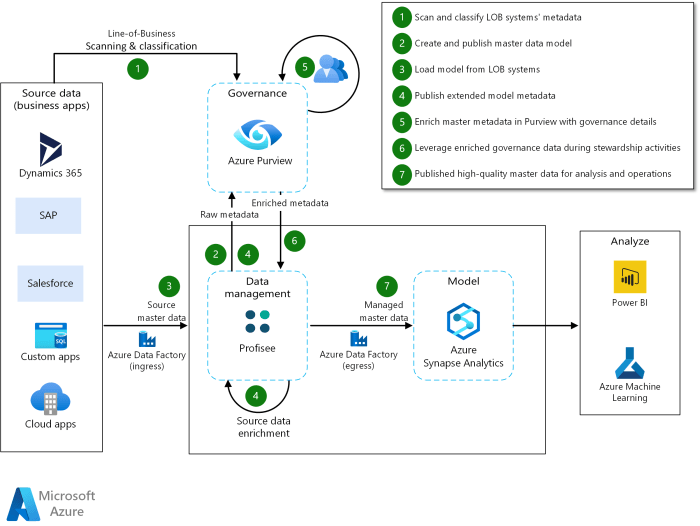
Cloud architecture governance is constantly evolving, driven by emerging trends and innovations in technology and business practices. These advancements are reshaping the way organizations govern their cloud environments, enabling greater agility, efficiency, and security.
Artificial Intelligence (AI) and Machine Learning (ML)
The integration of AI and ML technologies is transforming cloud governance. AI-powered tools can automate tasks, analyze vast amounts of data, and provide insights to improve decision-making. ML algorithms can continuously monitor cloud environments, detect anomalies, and respond to security threats in real-time.
Serverless Computing
Serverless computing is gaining popularity as a way to reduce operational overhead and improve scalability. Serverless platforms eliminate the need for organizations to manage servers, allowing them to focus on developing and deploying applications. This shift is driving changes in cloud governance, as organizations need to establish policies and controls to govern the use of serverless resources.
Edge Computing
Edge computing brings computation and data storage closer to the end-user, reducing latency and improving performance. This trend is particularly relevant for applications that require real-time processing, such as autonomous vehicles and IoT devices. Cloud governance frameworks need to adapt to address the unique challenges and requirements of edge computing environments.
Quantum Computing
While still in its early stages, quantum computing has the potential to revolutionize cloud architecture governance. Quantum computers can solve complex problems exponentially faster than classical computers, opening up new possibilities for optimization, security, and data analysis. Organizations need to start preparing for the impact of quantum computing on their cloud governance strategies.
Implications for Organizations
These emerging trends and innovations have significant implications for organizations. They need to continuously update their cloud governance frameworks to keep pace with technological advancements. Organizations also need to invest in training and upskilling their IT teams to ensure they have the necessary skills and knowledge to manage and govern cloud environments effectively.By
embracing these trends and innovations, organizations can unlock the full potential of cloud computing, driving business agility, innovation, and growth.
Last Point
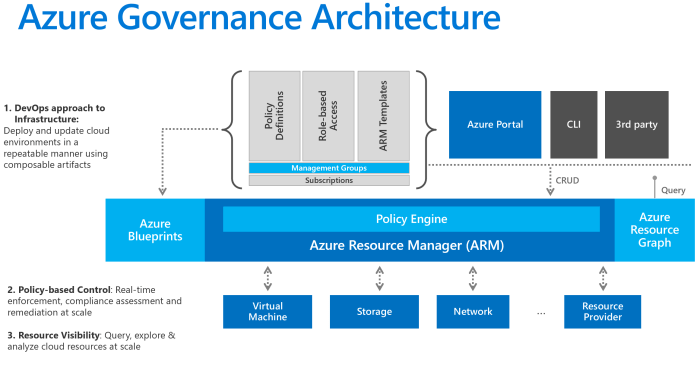
In conclusion, cloud architecture governance is a multifaceted discipline that encompasses a wide range of considerations, from security and compliance to cost optimization and performance. By adopting a comprehensive approach to cloud governance, organizations can unlock the full potential of cloud computing, ensuring alignment with business objectives, mitigating risks, and driving continuous innovation.
As the cloud landscape continues to evolve, organizations that prioritize cloud architecture governance will be well-positioned to thrive in the digital age.