In the ever-evolving realm of cloud computing, architects and engineers seek a guiding light to navigate the complexities of designing and implementing robust cloud systems. Enter the cloud architecture reference architecture, a beacon of best practices, standards, and design principles that illuminates the path towards scalable, efficient, and cost-effective cloud solutions.
This comprehensive framework serves as a blueprint, providing a structured approach to cloud system design, guiding organizations in realizing the full potential of cloud computing. Its significance lies in establishing a common understanding, ensuring consistency, and facilitating collaboration among stakeholders, ultimately leading to successful cloud deployments.

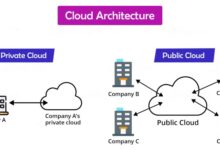
Introduction
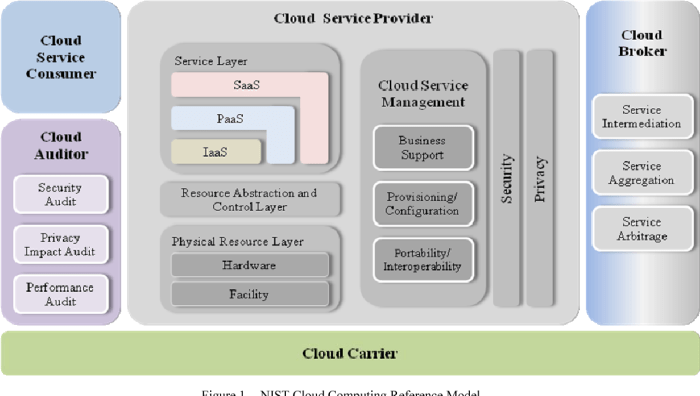
A cloud architecture reference architecture is a set of best practices, guidelines, and design principles that serve as a blueprint for designing and implementing cloud-based systems. It provides a structured approach to building cloud systems, ensuring consistency, scalability, security, and cost-effectiveness.
Reference architectures are crucial for cloud system design as they offer a standardized framework that simplifies the process, reduces risks, and enables organizations to leverage the benefits of cloud computing effectively.
Real-World Applications
- Migrating to the Cloud: Reference architectures provide a roadmap for organizations migrating their on-premises applications and data to the cloud, ensuring a smooth and efficient transition.
- Building New Cloud-Native Applications: They serve as a foundation for developing cloud-native applications from scratch, leveraging the elasticity, scalability, and agility of the cloud.
- Optimizing Cloud Performance and Cost: Reference architectures help organizations optimize the performance and cost of their cloud systems by providing guidelines for selecting appropriate cloud services, designing efficient architectures, and implementing cost-saving measures.
Key Components of a Reference Architecture
A well-structured reference architecture serves as a blueprint for designing, implementing, and managing cloud solutions. It comprises several essential components that work together to provide a comprehensive framework for cloud adoption. These components include:
- Architectural Principles: These are fundamental guidelines that govern the design and implementation of cloud solutions. They ensure consistency, reliability, and security in the cloud environment.
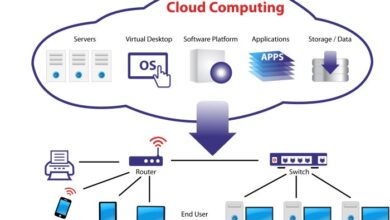
- Reference Models: These are abstract representations of cloud architectures that provide a common understanding of how cloud components interact. They help organizations visualize and understand the various components and their relationships.
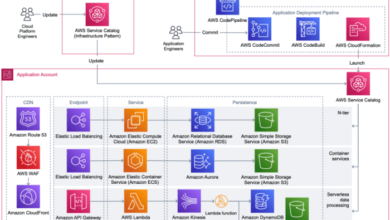
- Reference Implementations: These are practical examples of how to implement cloud architectures based on the reference models. They provide organizations with a starting point for their own cloud deployments and help them avoid common pitfalls.
- Best Practices: These are proven methods and techniques for designing, implementing, and managing cloud solutions. They help organizations achieve optimal performance, security, and cost-effectiveness in their cloud environments.
- Tools and Methodologies: These are resources and processes that help organizations adopt and manage cloud solutions. They include tools for cloud design, deployment, and management, as well as methodologies for cloud governance and risk management.
These components work together to create a comprehensive architecture that guides organizations in their cloud journey. They provide a common language and understanding of cloud concepts, enabling effective communication and collaboration among stakeholders. Additionally, they help organizations make informed decisions about cloud adoption, ensuring that their cloud solutions align with their business goals and requirements.
Benefits of Using Reference Architectures
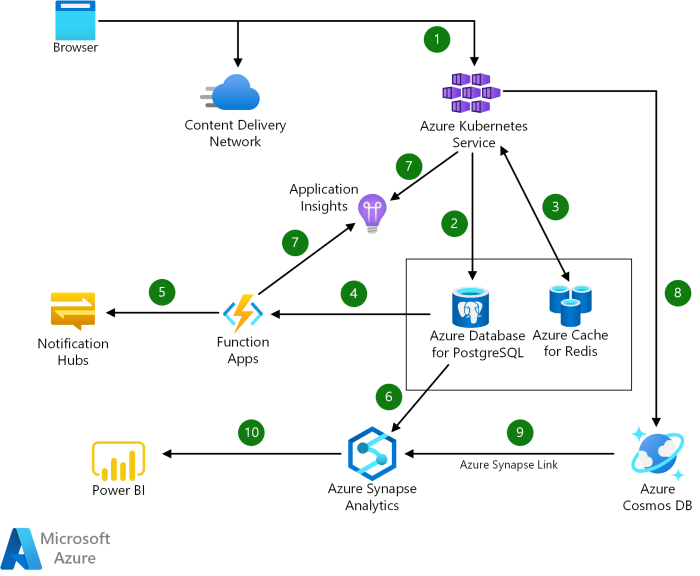
Reference architectures offer substantial advantages for organizations embracing cloud computing. These well-defined blueprints provide a structured approach to designing and implementing cloud systems, enabling businesses to leverage the benefits of cloud technology efficiently and effectively.
The key benefits of adopting reference architectures in cloud system design include:
Efficiency and Productivity Gains:
- Reference architectures streamline the cloud adoption process by providing pre-defined blueprints and best practices, eliminating the need for organizations to start from scratch.
- They accelerate the development and deployment of cloud applications by providing a standardized framework, reducing the time and resources required for implementation.
- By leveraging proven solutions and avoiding common pitfalls, reference architectures enhance the overall efficiency and productivity of cloud system development.
Scalability and Flexibility:
- Reference architectures are designed to support scalability, enabling organizations to easily adapt their cloud infrastructure to meet changing business demands.
- They provide a flexible framework that allows for the integration of new technologies and services, ensuring that cloud systems remain agile and responsive to evolving requirements.
Cost-Effectiveness:
- Reference architectures help organizations optimize their cloud spending by providing guidance on selecting the right cloud services and optimizing resource utilization.
- They enable businesses to avoid overprovisioning or underprovisioning of resources, leading to cost savings and improved ROI.
Security and Compliance:
- Reference architectures incorporate security best practices and compliance requirements, reducing the risk of security breaches and ensuring adherence to regulatory standards.
- They provide a structured approach to implementing security controls and monitoring mechanisms, enhancing the overall security posture of cloud systems.
Examples of Successful Implementations:
- The United States Department of Defense (DoD) adopted the Cloud Reference Architecture (CRA) to guide its cloud adoption efforts, resulting in improved efficiency, cost savings, and enhanced security.
- The National Institute of Standards and Technology (NIST) developed the NIST Cloud Computing Reference Architecture (NIST C-CRA) to provide a comprehensive framework for designing, implementing, and managing cloud systems, which has been widely adopted by organizations worldwide.
- The OpenStack Reference Architecture serves as a foundation for building and deploying OpenStack clouds, enabling organizations to leverage the benefits of open-source cloud computing.
Challenges and Considerations
Implementing reference architectures can bring forth various challenges and considerations that require careful attention.One common challenge is the need for customization and adaptation to specific organizational needs. Reference architectures provide a framework, but organizations may need to modify them to align with their unique requirements, existing infrastructure, and business objectives.
This customization process can be complex and time-consuming, requiring expertise and careful planning.Another challenge lies in the integration of new technologies and advancements. As technology evolves rapidly, reference architectures may become outdated or unable to accommodate emerging trends and innovations.
Organizations must continuously monitor technological developments and assess the need for updates or enhancements to their reference architecture to ensure it remains relevant and effective.Additionally, managing and maintaining reference architectures over time can be a challenge. Reference architectures should be regularly reviewed, updated, and documented to reflect changes in organizational needs, technology advancements, and industry best practices.
This ongoing maintenance requires dedicated resources, expertise, and a commitment to continuous improvement.
Industry-Specific Considerations
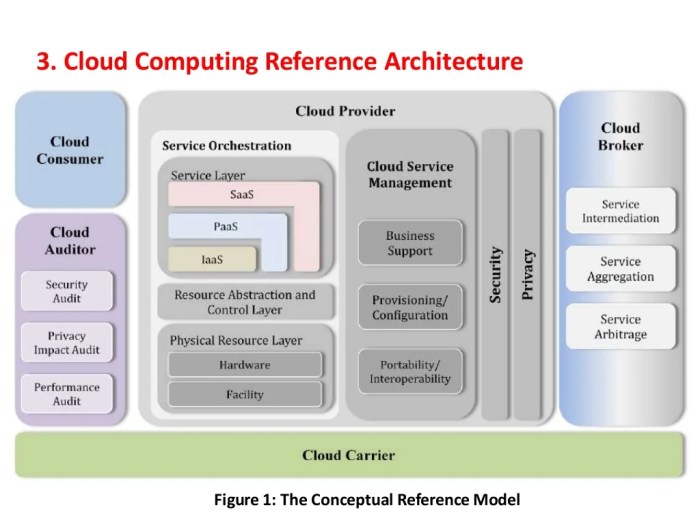
Implementing reference architectures in different industries presents unique challenges and considerations. Industry-specific regulations, standards, and best practices play a crucial role in shaping the design and implementation of these architectures.
The impact of industry-specific factors on reference architecture design is multifaceted. It necessitates careful consideration of the following aspects:
Regulatory and Compliance Requirements
- Reference architectures must adhere to industry-specific regulations and compliance requirements, such as data privacy, security, and accessibility standards.
- These regulations vary across industries and jurisdictions, necessitating customization of reference architectures to meet specific compliance needs.
- For example, the healthcare industry is subject to stringent regulations like HIPAA in the United States, which dictates the secure handling of patient data.
Industry-Specific Standards and Best Practices
- Reference architectures should align with industry-specific standards and best practices to ensure interoperability, reliability, and security.
- These standards provide guidance on technology selection, design patterns, and implementation methodologies.
- For instance, the financial services industry follows the Payment Card Industry Data Security Standard (PCI DSS) to protect sensitive financial data.
Industry-Specific Use Cases and Applications
- Reference architectures should cater to industry-specific use cases and applications to address unique business needs.
- Understanding industry-specific workflows, data requirements, and performance expectations is essential for effective reference architecture design.
- For example, the retail industry requires reference architectures that support e-commerce platforms, supply chain management, and customer relationship management (CRM) systems.
Examples of Industry-Specific Reference Architectures
- AWS Healthcare Reference Architecture: This architecture provides a blueprint for building secure and compliant healthcare applications on AWS.
- Azure Financial Services Reference Architecture: This architecture offers guidance on designing and implementing cloud-based financial services applications.
- Google Cloud Retail Reference Architecture: This architecture addresses the unique requirements of retail businesses, including e-commerce, inventory management, and personalized recommendations.
Future Trends and Innovations
The landscape of reference architectures is constantly evolving, driven by emerging trends and innovations that reshape the way cloud systems are designed, implemented, and managed. These advancements hold the potential to transform the role of reference architectures in cloud computing, leading to increased agility, efficiency, and scalability.
One significant trend is the rise of cloud-native technologies and architectures. Cloud-native applications are designed and built specifically for the cloud environment, leveraging its inherent benefits such as elasticity, scalability, and fault tolerance. This trend is driving the development of reference architectures tailored to cloud-native environments, ensuring optimal performance and resource utilization.
Automation and Orchestration
Automation and orchestration technologies are revolutionizing the way cloud systems are managed. Automation tools enable the streamlining of repetitive tasks, reducing the operational burden and improving efficiency. Orchestration platforms provide a centralized control point for managing complex cloud environments, ensuring seamless coordination and resource allocation.
Reference architectures are incorporating these technologies to facilitate automated deployment, configuration, and management of cloud resources, leading to increased agility and operational efficiency.
Artificial Intelligence and Machine Learning
Artificial intelligence (AI) and machine learning (ML) are transforming various aspects of cloud computing, including reference architectures. AI-powered tools can analyze vast amounts of data to identify patterns, predict trends, and make informed decisions. ML algorithms can be integrated into reference architectures to optimize resource allocation, improve performance, and enhance security.
This integration enables reference architectures to adapt and evolve autonomously, becoming more intelligent and responsive to changing conditions.
Edge Computing and Internet of Things (IoT)
The proliferation of edge computing and the Internet of Things (IoT) devices is creating new challenges and opportunities for reference architectures. Edge computing brings processing and storage closer to the data source, reducing latency and improving performance. IoT devices generate vast amounts of data that need to be collected, processed, and analyzed.
Reference architectures are being adapted to accommodate these requirements, enabling the seamless integration of edge devices and IoT data into cloud environments.
Sustainability and Green Computing
Sustainability and green computing are becoming increasingly important considerations in cloud architecture. Reference architectures are incorporating energy-efficient technologies and design principles to minimize the environmental impact of cloud operations. This includes optimizing resource utilization, leveraging renewable energy sources, and implementing power management strategies.
By adopting sustainable practices, reference architectures can help organizations reduce their carbon footprint and align with their environmental goals.
Case Studies and Real-World Examples
Reference architectures have been successfully implemented by numerous organizations across various industries. These case studies provide valuable insights into the challenges, strategies, and benefits associated with adopting a reference architecture.
Challenges Faced
Organizations often encounter challenges when implementing reference architectures. Common hurdles include:
- Adapting to Specific Requirements: Tailoring the reference architecture to align with unique organizational needs and constraints can be complex.
- Integration with Existing Systems: Integrating the reference architecture with existing systems and applications can be challenging, especially in legacy environments.
- Skills and Expertise Gap: Implementing a reference architecture requires specialized skills and expertise, which may not be readily available within the organization.
- Managing Complexity: Reference architectures can be complex, making it difficult to manage and maintain them effectively.
Strategies for Success
Organizations have employed various strategies to overcome the challenges associated with implementing reference architectures. These strategies include:
- Customization and Adaptation: Reference architectures can be customized and adapted to meet specific organizational requirements, ensuring a tailored fit.
- Phased Implementation: Implementing the reference architecture in phases allows for gradual adoption and reduces disruption to ongoing operations.
- Skill Development and Training: Organizations can invest in skill development and training programs to equip their IT teams with the necessary expertise to implement and manage the reference architecture.
- Collaboration and Partnerships: Collaborating with external partners, such as cloud providers and consulting firms, can provide access to specialized knowledge and resources.
Benefits Achieved
Organizations that have successfully implemented reference architectures have experienced numerous benefits, including:
- Improved Efficiency and Agility: Reference architectures can streamline processes, reduce manual tasks, and enhance operational efficiency, enabling organizations to respond quickly to changing market demands.
- Enhanced Scalability and Flexibility: Reference architectures provide a scalable and flexible foundation that can accommodate changing business needs, allowing organizations to scale up or down as required.
- Reduced Costs: By leveraging standardized components and best practices, reference architectures can help organizations optimize resource utilization and reduce operational costs.
- Improved Security and Compliance: Reference architectures often incorporate security best practices and compliance requirements, reducing the risk of breaches and ensuring regulatory compliance.
Lessons Learned
Real-world implementations of reference architectures have yielded valuable lessons for organizations considering their adoption. These lessons include:
- Importance of Customization: Reference architectures should be customized to align with specific organizational needs, rather than being implemented as a one-size-fits-all solution.
- Phased Approach: A phased implementation approach can minimize disruption and allow for gradual adoption of the reference architecture.
- Investment in Skills and Expertise: Organizations should invest in developing the skills and expertise necessary to implement and manage the reference architecture effectively.
- Collaboration and Partnerships: Collaborating with external partners can provide access to specialized knowledge and resources, facilitating successful implementation.
Closing Summary
As we venture into the future of cloud computing, reference architectures will continue to evolve, adapting to emerging technologies and industry-specific demands. Their role in shaping the landscape of cloud systems is undeniable, and organizations that embrace this architectural approach will undoubtedly reap the benefits of agility, scalability, and innovation.