Mastering Cloud Architecture Best Practices: A Comprehensive Guide to Building Robust, Scalable, and Secure Cloud Solutions

In the realm of modern technology, cloud computing has revolutionized the way businesses operate and innovate. Cloud architecture, the foundation of these cloud-based systems, plays a pivotal role in determining the success and efficiency of any cloud deployment. Join us as we delve into the intricacies of cloud architecture best practices, exploring strategies for designing, implementing, and managing cloud environments that are scalable, resilient, cost-effective, secure, and continuously evolving.
This comprehensive guide will equip you with the knowledge and expertise to navigate the complexities of cloud architecture, ensuring your organization reaps the full benefits of cloud computing. From designing scalable and fault-tolerant systems to optimizing performance and cost, securing data and systems, and fostering a culture of continuous improvement, this exploration will provide you with a roadmap for building robust and future-proof cloud solutions.

Designing for Scalability
In the cloud, scalability is a fundamental principle that allows applications to seamlessly adapt to changing demands, ensuring optimal performance and cost-effectiveness. This section explores the principles and techniques for building cloud architectures that can scale up or down effortlessly.
Horizontal Scaling
Horizontal scaling, also known as scale-out, involves adding more instances of a service or application to distribute the load across multiple resources. This approach is particularly beneficial for applications that experience sudden spikes in traffic or demand.
- Benefits of Horizontal Scaling:
- Increased Capacity: Adding more instances boosts the overall capacity of the system, enabling it to handle a higher volume of requests.
- Improved Performance: Distributing the load across multiple instances reduces the burden on individual resources, resulting in faster response times and improved performance.
- Fault Tolerance: If one instance fails, the remaining instances can continue to serve requests, ensuring high availability and fault tolerance.
Vertical Scaling
Vertical scaling, also known as scale-up, involves upgrading the resources of an existing instance, such as increasing the CPU, memory, or storage capacity. This approach is suitable for applications that require more powerful resources to handle complex tasks or larger datasets.
- Benefits of Vertical Scaling:
- Simplified Management: Managing a single instance with increased resources is often simpler than managing multiple instances.
- Reduced Network Overhead: Vertical scaling minimizes the network overhead associated with communicating between multiple instances, resulting in improved efficiency.
- Cost-Effectiveness: Vertical scaling can be more cost-effective than horizontal scaling, especially for applications with moderate resource requirements.
Designing for Inherent Scalability
To achieve inherent scalability in cloud architectures, several strategies can be employed:
- Microservices Architecture:
- Breaking down applications into smaller, independent services allows for easy scaling of individual services as needed.
- Serverless Architecture:
- Leveraging serverless platforms eliminates the need to manage infrastructure, allowing applications to scale automatically based on demand.
- Cloud-Native Technologies:
- Utilizing cloud-native technologies like containers and Kubernetes enables seamless scaling and orchestration of applications in the cloud.
Implementing High Availability and Fault Tolerance
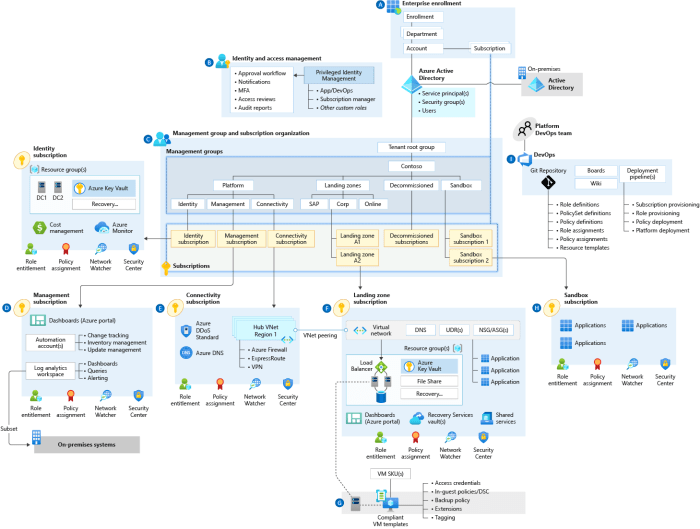
Designing cloud architectures with high availability and fault tolerance is crucial for ensuring continuous uptime and reliability. High availability refers to the ability of a system to remain operational even in the event of failures, while fault tolerance is the ability to withstand and recover from faults without compromising system functionality.
Redundancy and Load Balancing
Implementing redundancy and load balancing mechanisms is a fundamental practice for achieving high availability in cloud architectures. Redundancy involves duplicating critical components or services across multiple servers or data centers, ensuring that if one component fails, another can take over seamlessly.
Load balancing distributes incoming traffic across multiple servers or instances, preventing any single server from becoming overloaded and failing.
Failover Mechanisms
Establishing robust failover mechanisms is essential for ensuring fault tolerance. Failover involves automatically switching to a backup system or component in case of a failure. This can be achieved through various techniques, such as automatic failover clustering, where if one server fails, another server in the cluster takes over its workload.
Self-Healing Architectures
Building self-healing cloud architectures that can automatically detect and recover from failures is a key aspect of fault tolerance. Self-healing mechanisms can monitor system components and services, identify failures, and initiate corrective actions, such as restarting failed processes or rerouting traffic to healthy components.
This helps minimize downtime and improve system resilience.
Optimizing Performance and Cost
Designing cloud architectures that strike a balance between performance and cost is crucial for maximizing efficiency and value. This section explores strategies for optimizing performance and managing costs effectively.
Strategies for Optimizing Performance
Enhancing the performance of cloud architectures involves leveraging various techniques that address specific aspects of system behavior and resource utilization. These strategies include:
- Caching: Storing frequently accessed data in temporary storage to reduce latency and improve response times.
- Content Delivery Networks (CDNs): Distributing content across geographically dispersed servers to reduce latency and improve the user experience.
- Load Balancing: Distributing traffic across multiple servers or resources to optimize resource utilization and prevent bottlenecks.
Best Practices for Managing Costs
Managing costs in the cloud requires a proactive approach that involves monitoring usage, optimizing resource allocation, and leveraging cost-saving strategies. Key best practices include:
- Optimizing Resource Utilization: Rightsizing resources to match actual usage patterns and avoiding overprovisioning.
- Using Cost-Effective Cloud Services: Selecting cloud services that align with the specific needs and budget of the organization.
- Implementing Cost-Saving Strategies: Employing techniques such as spot instances, preemptible instances, and reserved instances to reduce costs.
Trade-offs Between Performance and Cost
When designing cloud architectures, there is often a trade-off between performance and cost. Achieving optimal performance may require additional resources, while cost-saving measures may impact performance. It is important to carefully consider the specific requirements of the application or service and strike a balance that aligns with business objectives and constraints.
Ensuring Security and Compliance
In the realm of cloud architecture, safeguarding data and systems from evolving threats is paramount. This section delves into best practices for securing cloud environments, emphasizing encryption, access control, and intrusion detection. Additionally, it explores the significance of compliance in cloud architecture design, outlining strategies for adhering to industry regulations and standards.
Implementing Robust Security Measures
In today’s digital landscape, implementing robust security measures is no longer an option but a necessity. Cloud architectures, with their inherent distributed nature and shared responsibility model, introduce unique security challenges that demand proactive measures.
- Encryption: Encryption serves as the cornerstone of data protection in cloud environments. Employing encryption techniques ensures that data remains confidential, even in the event of unauthorized access or interception.
- Access Control: Establishing robust access control mechanisms is crucial for safeguarding cloud resources. Implementing authentication and authorization protocols ensures that only authorized users can access specific resources, preventing unauthorized access and potential data breaches.
- Intrusion Detection: Deploying intrusion detection systems (IDS) and intrusion prevention systems (IPS) is essential for detecting and preventing malicious activities within cloud environments. These systems monitor network traffic and system logs, identifying suspicious patterns and taking appropriate actions to mitigate threats.
The Role of Compliance in Cloud Architecture Design
Compliance plays a vital role in cloud architecture design, ensuring that organizations adhere to industry regulations and standards. By incorporating compliance requirements into the design process, organizations can mitigate legal and financial risks, maintain customer trust, and gain a competitive advantage.
- Regulatory Compliance: Organizations must comply with relevant industry regulations and laws that govern data protection, privacy, and security. Failure to comply can result in hefty fines, reputational damage, and legal consequences.
- Industry Standards: Adhering to industry standards, such as ISO 27001 or PCI DSS, demonstrates an organization’s commitment to security and compliance. This can enhance customer confidence, foster trust among partners, and facilitate smooth audits.
- Compliance Frameworks: Utilizing compliance frameworks, such as NIST or COBIT, provides a structured approach to implementing security controls and ensuring ongoing compliance. These frameworks offer best practices and guidance, helping organizations align their cloud architecture with regulatory requirements.
Managing and Monitoring Cloud Environments
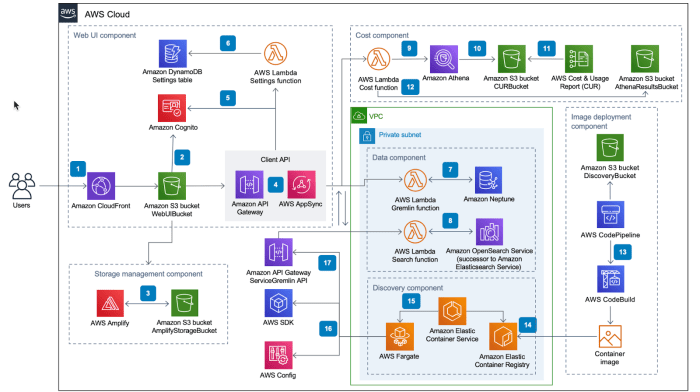
Ensuring the optimal performance and security of cloud environments requires effective management and monitoring. These practices involve managing cloud resources efficiently, monitoring performance metrics and logs, and implementing appropriate security measures.
Resource Management
Efficient resource management is crucial for optimizing cloud environments. This includes allocating resources appropriately, planning for future capacity needs, and monitoring costs to prevent overspending.
- Resource Allocation: Assign resources based on workload requirements to avoid under or over-provisioning.
- Capacity Planning: Forecast future demand to ensure adequate resources are available to handle workload fluctuations.
- Cost Monitoring: Track cloud usage and costs to identify potential savings and prevent unexpected expenses.
Monitoring and Logging
Continuous monitoring and logging are essential for detecting issues, optimizing performance, and maintaining security. This involves collecting and analyzing performance metrics, logs, and alerts to identify potential problems and take corrective actions.
- Performance Metrics: Monitor key metrics like CPU utilization, memory usage, and network latency to identify performance bottlenecks.
- Logs: Collect and analyze logs from cloud services and applications to troubleshoot issues and detect suspicious activities.
- Alerts: Set up alerts to notify administrators of critical events, such as resource exhaustion or security breaches.
Security Monitoring
Cloud environments require continuous monitoring for security threats. This involves detecting and responding to security incidents, implementing access controls, and adhering to compliance regulations.
- Security Monitoring Tools: Use tools that monitor cloud environments for suspicious activities and security breaches.
- Access Control: Implement role-based access controls to restrict access to cloud resources and data.
- Compliance Monitoring: Ensure compliance with industry standards and regulations by monitoring security controls and configurations.
Continuous Improvement and Innovation
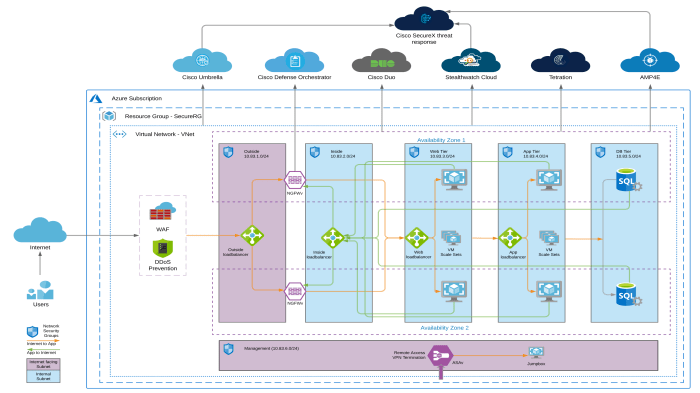
In the ever-changing landscape of technology, cloud architecture must continually evolve to meet new demands and seize new opportunities. Continuous improvement and innovation are essential to ensure that cloud architectures remain agile, efficient, and aligned with business objectives.
Staying updated on the latest cloud technologies and trends is crucial for driving innovation. This includes monitoring industry publications, attending conferences, and engaging with cloud communities. Additionally, organizations should establish a culture of experimentation and learning, encouraging teams to explore new technologies and approaches.
Incorporating Innovative Technologies
Cloud architectures should be designed to seamlessly integrate with emerging technologies, such as artificial intelligence (AI), machine learning (ML), and Internet of Things (IoT). These technologies have the potential to transform industries and create new business opportunities. By incorporating these technologies into cloud architectures, organizations can gain a competitive edge and drive innovation.
Outcome Summary
As you embark on your cloud architecture journey, remember that the path to success lies in embracing best practices, staying updated with the latest technologies, and fostering a culture of innovation. By adhering to these principles, you will not only create cloud solutions that meet your current business needs but also lay the foundation for future growth and adaptability.
Embrace the power of the cloud, leverage the wisdom of best practices, and unlock the full potential of your cloud-powered enterprise.