In today’s digital landscape, cloud computing has become a cornerstone of modern IT, transforming the way businesses operate and innovate. Embracing the cloud offers immense opportunities, but navigating its complexities requires a deep understanding of best practices. This comprehensive guide delves into the intricacies of cloud architecture, empowering you with the knowledge and strategies to design, implement, and optimize your cloud infrastructure for optimal performance, security, and cost-effectiveness.
From understanding the core concepts of cloud architecture to exploring emerging trends and innovations, this guide serves as an invaluable resource for IT professionals, cloud architects, and business leaders seeking to harness the full potential of the cloud. Discover the best practices for cloud infrastructure optimization, securing cloud environments, and developing cloud-native applications.

Gain insights into key cost drivers and strategies for optimizing cloud costs, ensuring your cloud journey is both successful and cost-efficient.
Understanding the Fundamentals of Cloud Architecture
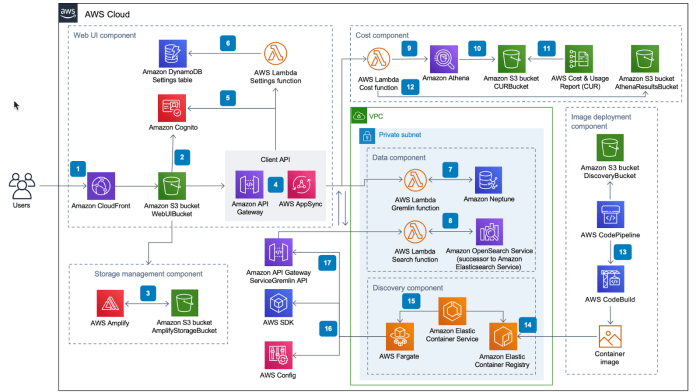
In today’s digital landscape, cloud architecture has become a cornerstone of modern IT, enabling businesses to leverage computing resources and services on demand. This comprehensive guide delves into the core concepts of cloud architecture, exploring its significance and the various deployment and service models that shape the cloud computing paradigm.
Cloud Deployment Models
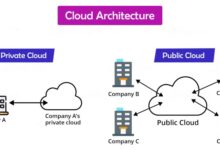
Cloud deployment models define the manner in which cloud services are delivered to users. Each model offers unique advantages and considerations:
- Public Cloud: Public cloud services are hosted by third-party providers and made available to multiple tenants over the internet. Advantages include scalability, cost-effectiveness, and ease of access.
- Private Cloud: Private cloud services are dedicated to a single organization and hosted on-premises or in a private data center. Advantages include security, control, and customization.
- Hybrid Cloud: Hybrid cloud combines elements of both public and private clouds, allowing organizations to deploy applications and data across multiple environments. Advantages include flexibility, scalability, and the ability to optimize resource allocation.
- Community Cloud: Community cloud services are shared among a group of organizations with similar needs and interests. Advantages include cost-sharing, collaboration, and access to specialized resources.
Cloud Service Models
Cloud service models define the types of services offered by cloud providers, ranging from infrastructure to fully managed applications:
- Infrastructure as a Service (IaaS): IaaS provides fundamental computing resources such as virtual machines, storage, and networking. Advantages include flexibility, control, and the ability to customize infrastructure.
- Platform as a Service (PaaS): PaaS provides a platform for developing, testing, and deploying applications. Advantages include rapid application development, scalability, and reduced infrastructure management overhead.
- Software as a Service (SaaS): SaaS provides fully managed software applications that are accessed over the internet. Advantages include ease of use, scalability, and reduced IT maintenance.
- Function as a Service (FaaS): FaaS provides a platform for developing and executing serverless functions. Advantages include scalability, cost-effectiveness, and reduced infrastructure management overhead.
Key Considerations for Designing a Robust Cloud Architecture
Designing a robust cloud architecture is crucial for organizations to optimize their IT infrastructure, enhance performance, and mitigate risks. Several factors must be taken into account to ensure a resilient and scalable cloud environment.
Selecting the Right Cloud Provider and Services
Selecting the right cloud provider and services is a pivotal step in designing a robust cloud architecture. Organizations should evaluate providers based on factors such as reliability, security, scalability, cost-effectiveness, and customer support. Additionally, choosing the appropriate cloud services aligned with specific business requirements is essential for optimizing performance and cost efficiency.
Scalability and Elasticity
Scalability and elasticity are fundamental aspects of cloud architecture. Organizations should design their cloud infrastructure to handle fluctuating workloads and demand. Auto-scaling capabilities enable resources to be provisioned or released automatically based on usage patterns, ensuring optimal performance and cost-effectiveness.
Security and Compliance
Security and compliance are paramount in cloud architecture. Implementing robust security measures, such as encryption, access control, and regular security audits, is crucial to protect data and maintain compliance with industry regulations and standards. Organizations should also consider cloud providers with strong security practices and certifications.
Cost-Effectiveness and Optimization
Cost-effectiveness is a key consideration in cloud architecture. Organizations should optimize their cloud usage by implementing cost-saving strategies such as rightsizing resources, utilizing reserved instances, and leveraging cloud pricing models that align with their usage patterns.
Cloud Governance and Compliance
Cloud governance and compliance play a vital role in ensuring a well-managed and secure cloud environment. Establishing clear policies, roles, and responsibilities for cloud usage is essential. Additionally, organizations should implement monitoring and reporting mechanisms to track cloud resource usage, costs, and security posture.
Best Practices for Cloud Infrastructure Optimization
Optimizing cloud infrastructure is crucial for maximizing performance, reducing costs, and ensuring scalability. This involves implementing strategies that efficiently provision resources, plan for capacity needs, distribute workloads, and automate management tasks.
Resource Provisioning and Capacity Planning
- Provision resources based on actual usage patterns and projected growth to avoid overprovisioning or underprovisioning.
- Implement autoscaling mechanisms to automatically adjust resource allocation based on demand, optimizing resource utilization.
- Monitor resource usage metrics to identify trends and patterns, enabling proactive capacity planning and preventing performance bottlenecks.
Load Balancing and Traffic Management
- Implement load balancers to distribute traffic across multiple servers or instances, ensuring high availability and preventing single points of failure.
- Utilize content delivery networks (CDNs) to cache static content closer to end-users, reducing latency and improving performance.
- Employ traffic management techniques like DNS load balancing, round-robin scheduling, and weighted round-robin scheduling to optimize traffic flow.
Automation and Orchestration
- Automate provisioning, configuration, and management tasks using tools like Terraform, Ansible, and Chef to streamline cloud infrastructure management and reduce manual effort.
- Implement orchestration tools like Kubernetes and Docker Swarm to manage and automate the deployment, scaling, and load balancing of containerized applications.
- Utilize monitoring and alerting tools to proactively identify and resolve issues, minimizing downtime and ensuring optimal performance.
Monitoring and Performance Management
- Establish comprehensive monitoring systems to collect and analyze metrics related to resource utilization, performance, and availability.
- Set up alerts and notifications to promptly identify and address performance issues, preventing them from impacting user experience or application functionality.
- Regularly review monitoring data to identify trends, optimize resource allocation, and improve overall cloud infrastructure performance.
Securing Cloud Environments
In the dynamic realm of cloud computing, security takes center stage. The shared responsibility model emphasizes the collaborative efforts between cloud providers and organizations in safeguarding data and systems. Organizations must adopt a comprehensive approach to security, encompassing data encryption, access control, data loss prevention, security monitoring, and incident response.
Securing Cloud Data
Encryption plays a pivotal role in securing cloud data, rendering it unreadable to unauthorized parties. Encryption techniques, such as AES-256 and RSA, scramble data at rest and in transit, ensuring its confidentiality. Access control mechanisms, like role-based access control (RBAC) and attribute-based access control (ABAC), define who can access what resources and data, minimizing the risk of unauthorized access.
Data loss prevention (DLP) solutions help organizations identify and protect sensitive data, preventing its unauthorized disclosure or exfiltration. DLP tools employ techniques like content inspection, data fingerprinting, and anomaly detection to detect and flag sensitive information, enabling organizations to take appropriate action.
Security Monitoring and Incident Response
Security monitoring is essential for detecting and responding to security threats in the cloud. Organizations should implement continuous monitoring solutions that collect and analyze security logs, events, and alerts from various cloud services and components. These solutions enable organizations to identify suspicious activities, potential vulnerabilities, and security incidents in real-time.
Incident response plans and procedures are crucial for mitigating the impact of security incidents. These plans Artikel the steps to be taken in the event of a security breach or attack, including containment, eradication, and recovery. Organizations should conduct regular incident response drills to ensure that their teams are prepared to respond effectively to security incidents.
Strategies for Cost Optimization in Cloud Computing
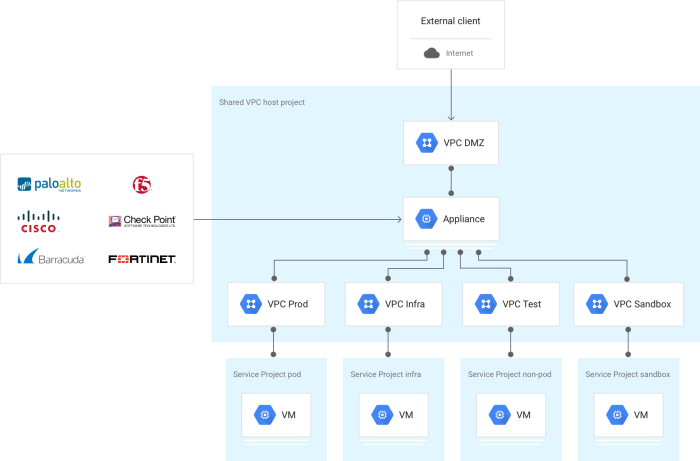
In the realm of cloud computing, cost optimization is a strategic imperative. This section explores the key cost drivers, cost management techniques, and strategies for optimizing cloud costs, ensuring cost-effectiveness without compromising performance.
Cloud computing introduces a dynamic and scalable cost structure, where organizations pay only for the resources they consume. Understanding the key cost drivers is essential for effective cost management.
Key Cost Drivers in Cloud Computing
- Compute: The cost associated with the processing power and memory used to run workloads in the cloud. Factors like instance type, size, and usage patterns impact compute costs.
- Storage: Refers to the cost of storing data in the cloud. Storage types, such as block, object, or file storage, as well as the amount of data stored and the frequency of data access, influence storage costs.
- Networking: Encompasses the costs associated with data transfer between cloud resources, as well as between the cloud and on-premises environments. Data transfer volume, network bandwidth, and the use of premium networking services contribute to networking costs.
- Software Licensing: When using proprietary software or applications in the cloud, organizations may incur software licensing fees. The cost varies depending on the software, licensing model, and usage.
- Support and Maintenance: Cloud providers often offer support and maintenance services to manage and maintain cloud infrastructure. These services come with associated costs, which can vary based on the level of support required.
Strategies for optimizing cloud costs involve a combination of proactive planning, continuous monitoring, and effective resource management.
Strategies for Optimizing Cloud Costs
- Rightsizing Cloud Resources: Regularly review and adjust the size and capacity of cloud resources to ensure they align with actual usage patterns. This prevents overprovisioning and optimizes resource utilization, reducing costs.
- Utilize Cost-Effective Pricing Models: Cloud providers offer various pricing models, such as pay-as-you-go, reserved instances, spot instances, and committed use discounts. Understanding these models and selecting the most suitable one can significantly reduce cloud costs.
- Implement Cloud Cost Management Tools: Cloud cost management tools provide visibility into cloud spending, enabling organizations to track costs, identify cost anomalies, and optimize resource usage. These tools help in making informed decisions and controlling cloud costs.
- Monitor and Analyze Cloud Usage: Continuously monitor cloud usage patterns to identify underutilized resources, idle instances, or applications with low utilization. This analysis helps in optimizing resource allocation and reducing costs.
- Negotiate with Cloud Providers: Organizations with significant cloud usage can negotiate with cloud providers to secure better pricing, discounts, or customized service level agreements (SLAs), leading to cost savings.
Effective cost optimization in cloud computing requires a holistic approach that involves understanding cost drivers, implementing cost management strategies, and leveraging tools and techniques to continuously monitor and control cloud spending.
Best Practices for Cloud Application Development
Developing applications in the cloud offers numerous benefits, including scalability, agility, and cost-effectiveness. However, it also presents unique challenges, such as managing distributed systems and ensuring data security. To navigate these challenges and maximize the advantages of cloud application development, it’s essential to adopt best practices in design, development, and deployment.
Designing Cloud-Native Applications
Cloud-native applications are designed to leverage the inherent advantages of the cloud, such as scalability, elasticity, and fault tolerance. When designing cloud-native applications, it’s crucial to consider factors like microservices architecture, containerization, and DevOps methodologies.
- Microservices Architecture: Decompose applications into independent, loosely coupled services, each performing a specific function. This modular approach enhances scalability, resilience, and maintainability.
- Containerization: Package applications and their dependencies into lightweight, portable containers. This enables rapid deployment, simplified management, and efficient resource utilization.
- DevOps Methodologies: Implement DevOps practices to foster collaboration between development and operations teams. This agile approach promotes continuous integration, continuous delivery, and continuous feedback, resulting in faster application updates and improved quality.
Developing Cloud-Native Applications
When developing cloud-native applications, it’s essential to follow best practices that ensure reliability, performance, and security.
- Choose the Right Cloud Platform: Select a cloud platform that aligns with the application’s requirements and provides the necessary features and services.
- Leverage Cloud-Native Services: Utilize managed services offered by cloud platforms, such as databases, storage, and message queues, to reduce development time and improve application performance.
- Implement Scalability and Elasticity: Design applications to handle varying workloads by scaling resources up or down automatically based on demand.
- Ensure Data Security: Implement robust security measures, including encryption, access control, and intrusion detection, to protect sensitive data and comply with regulatory requirements.
Deploying Cloud-Native Applications
Deploying cloud-native applications involves selecting the appropriate deployment model, managing infrastructure, and monitoring application performance.
- Choose the Right Deployment Model: Opt for a deployment model that suits the application’s requirements, such as Infrastructure as a Service (IaaS), Platform as a Service (PaaS), or Serverless computing.
- Manage Infrastructure: Utilize infrastructure management tools and services to provision, configure, and maintain the underlying infrastructure efficiently.
- Monitor Application Performance: Implement monitoring tools and techniques to track application performance, identify bottlenecks, and ensure optimal resource utilization.
Emerging Trends and Innovations in Cloud Architecture
The cloud computing landscape is constantly evolving, with new trends and innovations emerging regularly. These advancements are driven by the need for greater agility, scalability, cost-effectiveness, and security in cloud-based systems. In this section, we will explore some of the latest trends and innovations in cloud architecture, examining their potential benefits and challenges.
We will also discuss the role of artificial intelligence (AI) and machine learning (ML) in optimizing cloud architecture and improving performance.
Serverless Computing
Serverless computing is a cloud computing model in which the cloud provider manages the infrastructure and resources required to run applications, eliminating the need for organizations to provision and manage servers. This approach offers several benefits, including reduced operational overhead, improved scalability, and cost savings.
However, it also presents challenges, such as the need for specialized development skills and potential vendor lock-in.
Edge Computing
Edge computing brings computing resources closer to the end-user or data source, reducing latency and improving performance. This is particularly beneficial for applications that require real-time processing or low-latency data access. Edge computing can be implemented in various ways, including through the use of edge devices, micro data centers, and distributed cloud platforms.
However, it can also introduce challenges, such as increased complexity and security concerns.
Multi-cloud Strategies
Multi-cloud strategies involve using multiple cloud platforms from different providers. This approach can provide several benefits, including increased redundancy, improved performance, and reduced vendor lock-in. However, it can also introduce challenges, such as increased complexity, potential compatibility issues, and the need for specialized skills to manage multiple cloud environments.
Role of AI and ML in Cloud Architecture
AI and ML play a crucial role in optimizing cloud architecture and improving performance. These technologies can be used to automate tasks, optimize resource allocation, detect anomalies, and provide insights for decision-making. AI and ML can also be used to develop intelligent applications that can adapt and learn from data, leading to improved user experiences and outcomes.
Last Point
As you embark on your cloud transformation journey, remember that embracing best practices is the key to unlocking the full potential of cloud computing. By implementing these strategies, you can create a robust, secure, and cost-effective cloud architecture that drives innovation, agility, and business growth.
The cloud is a dynamic and ever-evolving landscape, and staying abreast of emerging trends and innovations is crucial for maintaining a competitive edge. Embrace the transformative power of the cloud and watch your business soar to new heights of success.