In the realm of cloud computing, architecture diagrams serve as invaluable tools, providing a visual representation of the intricate components and relationships within a cloud-based system. These diagrams offer a comprehensive understanding of how cloud resources are structured, deployed, and interconnected, enabling stakeholders to navigate the complexities of cloud architecture with clarity and precision.
From illustrating the fundamental concepts of cloud architecture to delving into advanced design principles and emerging trends, this comprehensive guide unravels the intricacies of cloud architecture diagrams, empowering readers with the knowledge to effectively leverage these diagrams for successful cloud deployments and optimizations.


Cloud Architecture Diagram Basics
Cloud architecture diagrams serve as visual representations of cloud computing environments, providing insights into the infrastructure, components, and relationships within a cloud-based system. These diagrams play a crucial role in visualizing and communicating complex cloud architectures, enabling stakeholders to understand the overall design, identify potential issues, and make informed decisions.
There are various types of cloud architecture diagrams, each serving a specific purpose. Some common types include:
- Logical Diagrams: Illustrate the high-level architecture of a cloud system, focusing on the functional components, their interconnections, and the data flow between them.
- Physical Diagrams: Provide a detailed representation of the physical infrastructure, including servers, storage devices, network components, and their physical connections.
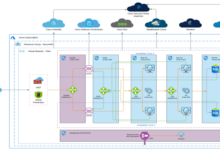
- Deployment Diagrams: Depict the actual deployment of cloud resources, showing the allocation of virtual machines, containers, and other resources across different cloud platforms or regions.
Key components typically included in a cloud architecture diagram:
- Cloud Service Providers (CSPs): Represent the providers of cloud services, such as Amazon Web Services (AWS), Microsoft Azure, or Google Cloud Platform (GCP).
- Cloud Regions and Zones: Illustrate the geographical distribution of cloud resources, indicating the locations where data centers and cloud services are hosted.
- Virtual Machines (VMs): Depict the virtualized computing environments that run applications and workloads in the cloud.
- Containers: Represent lightweight, portable, and isolated environments for running applications, often used in conjunction with container orchestration platforms like Kubernetes.
- Storage Services: Show the cloud storage options, such as object storage, block storage, or file storage, used for storing data in the cloud.
- Networking Components: Illustrate the virtual networks, subnets, firewalls, and load balancers used to manage network traffic and security within the cloud environment.
- Application Services: Depict cloud-based application services such as databases, messaging queues, or serverless functions, which provide specific functionalities to applications.
Elements and Components
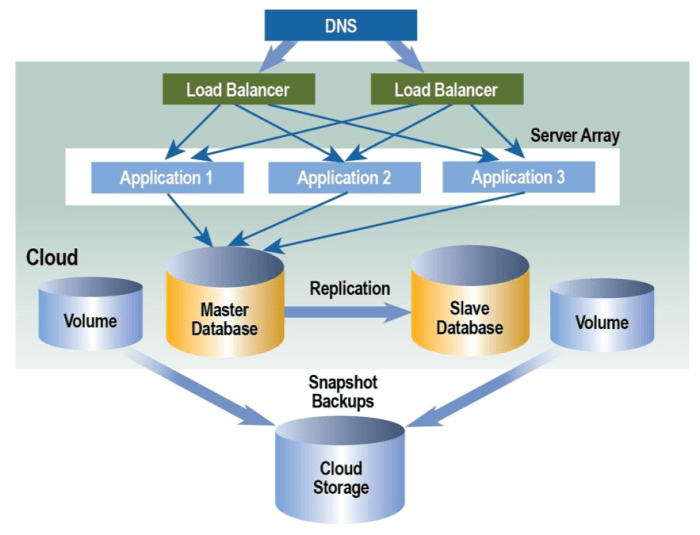
Cloud architecture diagrams consist of various elements and components that represent the infrastructure, services, and applications that make up a cloud-based system. These elements are interconnected and work together to provide the desired functionality and scalability.
Cloud Services
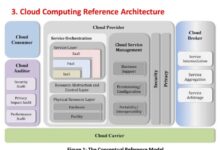
Cloud services are the core building blocks of cloud architecture. They are classified into three main types:
- Infrastructure as a Service (IaaS): IaaS provides fundamental computing resources such as servers, storage, and networks on a pay-as-you-go basis. It allows users to rent these resources without having to purchase and maintain them.
- Platform as a Service (PaaS): PaaS offers a platform for developing, deploying, and managing applications. It includes tools and services such as operating systems, databases, and development frameworks.
- Software as a Service (SaaS): SaaS provides fully functional applications that are hosted and managed by the cloud service provider. Users can access these applications through a web browser or mobile device.
Cloud Deployment Models
Cloud deployment models define how cloud services are delivered and managed. The three primary deployment models are:
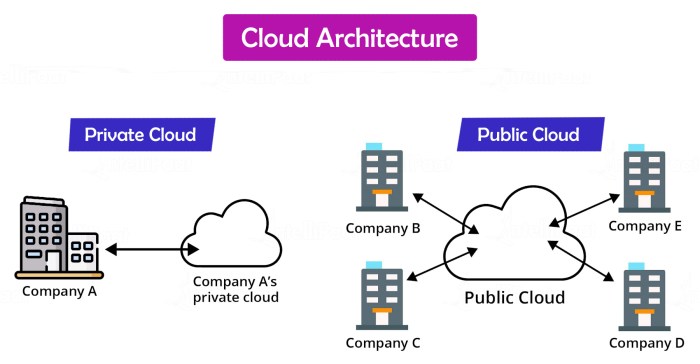
- Public Cloud: Public cloud services are offered to the general public over the internet. They are typically shared among multiple users and are accessible from anywhere with an internet connection.
- Private Cloud: Private cloud services are dedicated to a single organization and are not accessible to the general public. They can be hosted on-premises or managed by a cloud service provider.
- Hybrid Cloud: Hybrid cloud combines elements of both public and private clouds. It allows organizations to use public cloud services for non-critical workloads and private cloud services for sensitive data and applications.
Additional Components
In addition to cloud services and deployment models, cloud architecture diagrams may also include the following components:
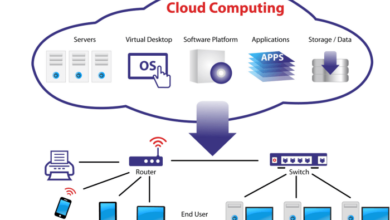
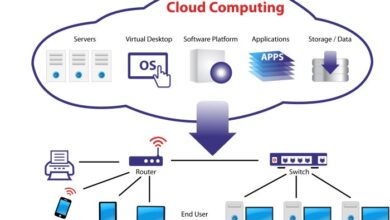
- Servers: Servers are physical or virtual machines that host applications and data.
- Storage: Storage devices, such as hard drives and solid-state drives, are used to store data in the cloud.
- Networks: Networks connect the various components of a cloud architecture and allow data to flow between them.
- Applications: Applications are software programs that run on cloud servers and provide specific functionality to users.
Design and Architecture
Creating effective cloud architecture diagrams requires careful consideration of various design principles and best practices. These principles ensure clarity, consistency, and effective communication of the architecture.
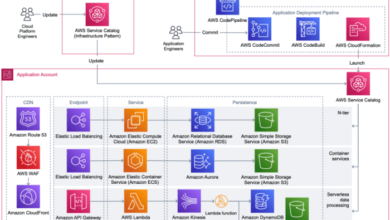
Common cloud architecture patterns, such as multi-tier architecture, microservices architecture, and serverless architecture, each have distinct characteristics and representations in a diagram. Understanding these patterns and their visual representations is crucial for architects and stakeholders to comprehend the system’s design and behavior.
Security and Compliance Considerations
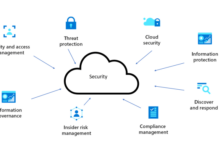
Security and compliance are paramount in cloud architecture diagrams. Incorporating security measures and compliance requirements into the diagram enhances the overall security posture and demonstrates adherence to regulations.
- Data Protection: Illustrate data encryption, access control mechanisms, and data segregation strategies.
- Threat Mitigation: Include security controls like firewalls, intrusion detection systems, and DDoS mitigation techniques.
- Compliance Frameworks: Incorporate compliance requirements such as GDPR, HIPAA, or PCI DSS, and their corresponding controls.
Tools and Software
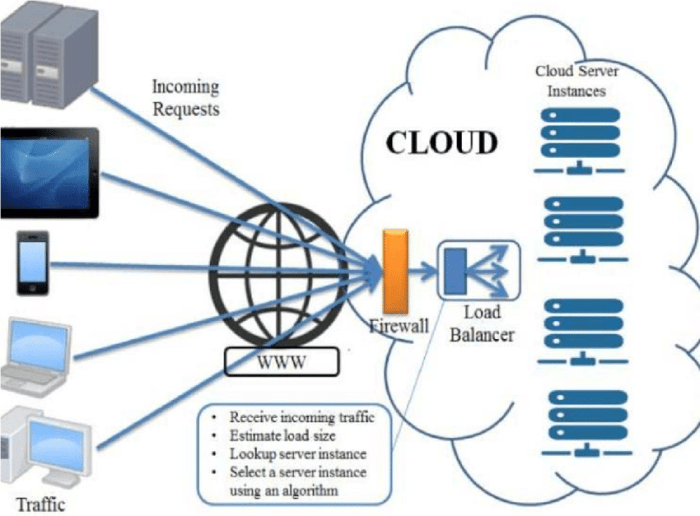
Cloud architecture diagramming tools are essential for creating visual representations of cloud infrastructure, applications, and services. These tools help architects, engineers, and stakeholders understand the complexity of cloud environments and make informed decisions about design and implementation.There are various software tools and platforms available for creating cloud architecture diagrams, each with its own unique features and capabilities.
Some popular options include:
- Lucidchart: A web-based diagramming tool that offers a wide range of templates and shapes specifically designed for cloud architecture diagrams. It allows for easy collaboration and sharing of diagrams with team members.
- Draw.io: A free and open-source diagramming tool that is available as a web application or desktop software. It offers a comprehensive set of shapes and connectors for creating cloud architecture diagrams, as well as the ability to import and export diagrams in various formats.
- Visio: A Microsoft Office application that is specifically designed for creating professional diagrams. It offers a wide range of features and templates for cloud architecture diagrams, including the ability to link shapes to data sources and create interactive diagrams.
- Cloudcraft: A cloud-based diagramming tool that specializes in creating 3D representations of cloud architectures. It allows users to create detailed and realistic diagrams of cloud environments, including virtual machines, networks, and storage systems.
The choice of cloud architecture diagramming tool depends on the specific needs and preferences of the user. Factors to consider include the complexity of the cloud environment, the level of detail required in the diagram, the need for collaboration and sharing, and the budget.Using
cloud architecture diagramming tools offers several benefits, including:
- Improved Communication: Visual diagrams help to improve communication and understanding among team members, stakeholders, and clients. They provide a common language for discussing and documenting cloud architectures.
- Enhanced Collaboration: Cloud architecture diagramming tools facilitate collaboration by allowing multiple users to work on the same diagram simultaneously. This can be especially useful for large and complex projects involving multiple teams.
- Effective Documentation: Diagrams serve as effective documentation for cloud architectures. They provide a visual representation of the system, making it easier to understand and maintain. Diagrams can also be used for training and onboarding new team members.
Use Cases and Applications
Cloud architecture diagrams are valuable tools that enable organizations to visualize and plan their cloud environments effectively. They offer numerous benefits, ranging from capacity planning and performance optimization to troubleshooting and cloud migration.
Let’s delve deeper into the practical applications of cloud architecture diagrams:
Capacity Planning and Performance Optimization
Cloud architecture diagrams play a crucial role in capacity planning and performance optimization. By providing a comprehensive overview of the cloud environment, these diagrams help organizations:
- Identify resource bottlenecks and potential performance issues.
- Plan for future capacity needs based on projected growth and demand.
- Optimize resource allocation to ensure efficient utilization and cost savings.
- Conduct performance testing and analysis to identify areas for improvement.
Troubleshooting
Cloud architecture diagrams serve as valuable troubleshooting tools, helping organizations quickly identify and resolve issues within their cloud environments. By providing a visual representation of the interconnected components, these diagrams enable IT teams to:
- Pinpoint the root cause of performance issues, outages, and other disruptions.
- Trace the flow of data and identify potential points of failure.
- Isolate affected components and implement targeted solutions.
- Monitor the performance of individual components and identify anomalies.
Cloud Migration and Modernization Projects
Cloud architecture diagrams play a pivotal role in cloud migration and modernization projects. They provide a clear roadmap for organizations transitioning to the cloud, helping them:
- Assess the current IT infrastructure and identify suitable migration strategies.
- Design and plan the target cloud architecture, ensuring alignment with business objectives.
- Identify and mitigate potential risks and challenges associated with the migration.
- Manage the migration process effectively and minimize disruption to operations.
Emerging Trends and Innovations
Cloud architecture diagramming is continuously evolving, driven by advancements in technology and changing business needs. Emerging trends and innovations are shaping the future of cloud architecture diagrams, making them more dynamic, intelligent, and collaborative.
Use of Artificial Intelligence (AI) and Machine Learning (ML)
The integration of AI and ML in cloud architecture diagramming tools is revolutionizing the way diagrams are created, analyzed, and shared. AI-powered tools can automatically generate diagrams based on existing infrastructure, identify potential issues, and suggest optimizations.
ML algorithms can analyze historical data to predict future resource requirements, enabling proactive capacity planning and preventing performance bottlenecks. Additionally, AI-driven visualization techniques can enhance the clarity and comprehensibility of diagrams, making them more accessible to non-technical stakeholders.
Real-time and Dynamic Diagrams
Traditional cloud architecture diagrams often depict a static view of the infrastructure, which can quickly become outdated in rapidly changing cloud environments. Emerging trends emphasize the need for real-time and dynamic diagrams that can reflect changes in the infrastructure in near real-time.
Dynamic diagrams enable architects and engineers to monitor the health and performance of their cloud infrastructure, identify anomalies, and respond to changes promptly. They also facilitate collaboration among teams by providing a shared, up-to-date view of the cloud architecture.
Integration with DevOps and Agile Methodologies
Cloud architecture diagrams are becoming an integral part of DevOps and Agile methodologies, enabling continuous integration and continuous delivery (CI/CD) practices. By integrating diagrams with DevOps tools, teams can automate the creation and updating of diagrams as the infrastructure evolves.
This integration enables developers and operations teams to have a clear understanding of the cloud architecture, facilitating rapid iterations and deployments. It also improves traceability and accountability, as changes to the infrastructure are reflected in the diagrams, providing a complete history of the architectural evolution.
Collaboration and Communication
Cloud architecture diagrams are increasingly used as a tool for collaboration and communication among stakeholders. Interactive and collaborative diagramming tools allow multiple users to work on diagrams simultaneously, share comments and feedback, and generate multiple versions for comparison.
This collaborative approach facilitates knowledge sharing, promotes understanding of the cloud architecture among different teams, and enables effective decision-making. It also helps align business goals with technical implementation, ensuring that the cloud architecture meets the organization’s objectives.
Closing Summary
As cloud architecture continues to evolve at a rapid pace, the significance of cloud architecture diagrams only amplifies. These diagrams serve as indispensable tools for architects, engineers, and decision-makers, providing a common language to communicate complex concepts, facilitate collaboration, and ensure successful cloud implementations.
Embracing the power of cloud architecture diagrams empowers organizations to harness the full potential of cloud computing, driving innovation, agility, and scalability.