In the ever-evolving landscape of technology, cloud architecture has emerged as a transformative force, reshaping the way businesses operate and innovate. With its inherent flexibility, scalability, and cost-effectiveness, cloud computing has revolutionized the IT industry. At the heart of this paradigm shift lies the diverse spectrum of cloud architectures, each catering to specific needs and requirements.
Join us on an enlightening journey as we delve into the intricacies of cloud architecture types, exploring their characteristics, advantages, and applications.

From the boundless expanse of public clouds to the secure confines of private clouds, from the versatility of hybrid clouds to the strategic agility of multi-cloud environments, we will traverse the cloud architecture landscape, unraveling the complexities and uncovering the hidden gems of each approach.
Along the way, we will encounter the innovative concept of serverless computing, unlocking new possibilities for efficient and cost-optimized cloud deployments. Security, cost optimization, and migration strategies will also be under the microscope, ensuring a comprehensive understanding of the cloud architecture ecosystem.
Types of Cloud Architecture
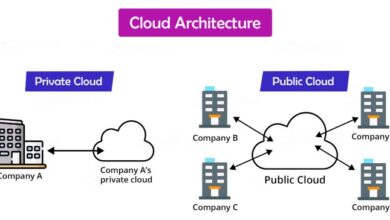
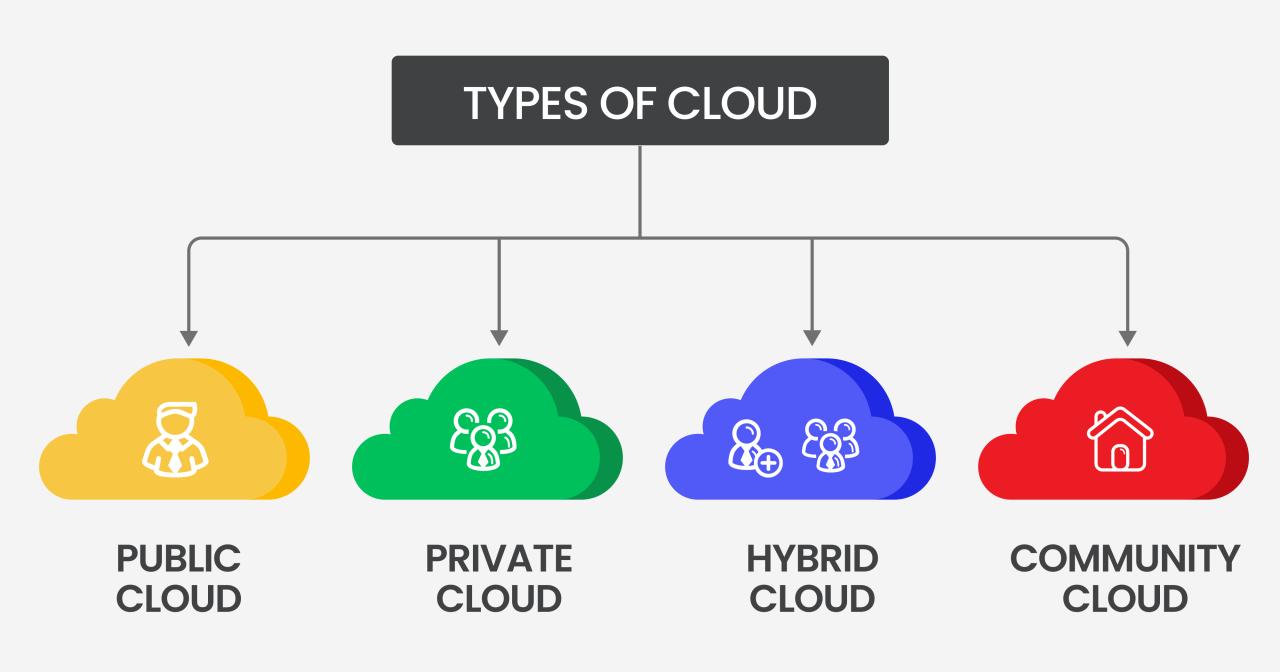
Cloud architecture refers to the way in which cloud computing resources are organized and managed. There are three main types of cloud architectures: public cloud, private cloud, and hybrid cloud. Each type has its own advantages and disadvantages, and the best choice for a particular organization will depend on its specific needs and requirements.
Public Cloud
A public cloud is a cloud computing environment that is owned and operated by a third-party cloud service provider. Public clouds are typically pay-as-you-go, meaning that organizations only pay for the resources they use. Public clouds are often used for non-critical applications and data, such as website hosting, email, and software development.
Advantages of Public Cloud:
Cost-effective
Public clouds are typically more cost-effective than private clouds, as organizations only pay for the resources they use.
Scalable
Public clouds are highly scalable, meaning that organizations can easily add or remove resources as needed.
Reliable
Public clouds are typically very reliable, as they are managed by experienced cloud service providers. Disadvantages of Public Cloud:
Security
Public clouds can be less secure than private clouds, as they are shared with other organizations.
Control
Organizations have less control over public clouds than they do over private clouds.
Performance
Public clouds can sometimes experience performance issues, especially during peak usage times.
Private Cloud
A private cloud is a cloud computing environment that is owned and operated by a single organization. Private clouds are typically more expensive than public clouds, but they offer greater security, control, and performance. Private clouds are often used for critical applications and data, such as financial data, customer records, and intellectual property.
Advantages of Private Cloud:
Security
Private clouds are more secure than public clouds, as they are not shared with other organizations.
Control
Organizations have complete control over private clouds, meaning they can customize them to meet their specific needs.
Performance
Private clouds typically offer better performance than public clouds, as they are not shared with other organizations. Disadvantages of Private Cloud:
Cost
Private clouds are typically more expensive than public clouds.
Scalability
Private clouds can be less scalable than public clouds, as organizations need to purchase and manage their own hardware and software.
Complexity
Private clouds can be more complex to manage than public clouds, as organizations need to have the necessary expertise and resources.
Hybrid Cloud
A hybrid cloud is a cloud computing environment that combines both public and private clouds. Hybrid clouds allow organizations to take advantage of the benefits of both public and private clouds. For example, an organization might use a public cloud for non-critical applications and data, and a private cloud for critical applications and data.
Advantages of Hybrid Cloud:
Flexibility
Hybrid clouds offer greater flexibility than public or private clouds alone.
Cost-effective
Hybrid clouds can be more cost-effective than private clouds, as organizations can use public clouds for non-critical applications and data.
Scalability
Hybrid clouds are scalable, as organizations can easily add or remove resources from either the public or private cloud. Disadvantages of Hybrid Cloud:
Complexity
Hybrid clouds can be more complex to manage than public or private clouds alone.
Security
Hybrid clouds can be less secure than private clouds, as they include a public cloud component.
Performance
Hybrid clouds can sometimes experience performance issues, especially when moving data between the public and private clouds.
Public Cloud
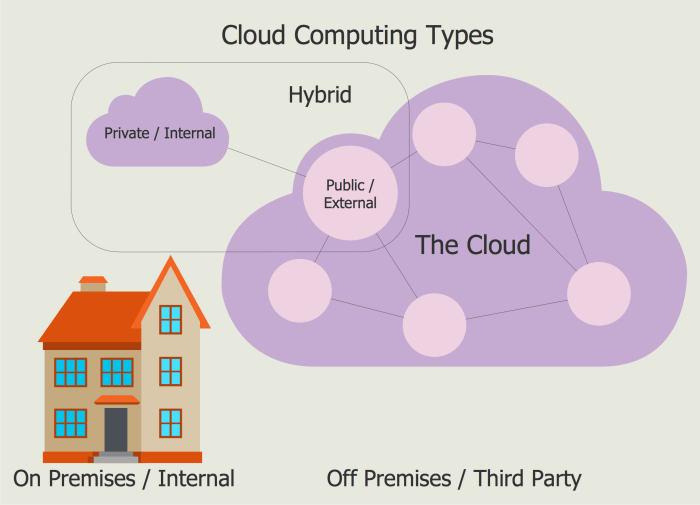
Public cloud architecture is a type of cloud computing model in which the cloud services are made available to the general public. This model is usually offered by cloud service providers who own and manage the infrastructure and resources, such as servers, storage, and networking, while the users rent these resources on a pay-as-you-go basis.Public
cloud architecture provides numerous benefits to users, including scalability, cost-effectiveness, flexibility, and accessibility. It allows users to access cloud resources on demand, without the need to invest in and maintain their own infrastructure. This makes it an attractive option for small businesses and startups that lack the resources to build and manage their own data centers.
Characteristics of Public Cloud Architecture
The key characteristics of public cloud architecture include:
- Shared Infrastructure: Public cloud providers offer shared infrastructure to multiple customers, which allows them to pool resources and offer economies of scale.
- Pay-as-You-Go Pricing: Users pay only for the resources they use, which makes public cloud a cost-effective option for businesses with fluctuating resource needs.
- Scalability: Public cloud resources can be scaled up or down quickly and easily to meet changing business demands.
- Flexibility: Public cloud allows users to choose from a wide range of cloud services, including computing, storage, networking, and software, to meet their specific needs.
- Accessibility: Public cloud services can be accessed from anywhere with an internet connection, making them ideal for businesses with remote or distributed teams.
Real-World Examples of Public Cloud Services and Providers
Some of the leading public cloud providers include Amazon Web Services (AWS), Microsoft Azure, Google Cloud Platform (GCP), IBM Cloud, and Oracle Cloud. These providers offer a wide range of cloud services, including:
- Computing: Virtual machines, containers, and serverless computing
- Storage: Object storage, block storage, and file storage
- Networking: Virtual networks, load balancers, and firewalls
- Software: Database management systems, big data analytics, and machine learning
Security Considerations and Challenges of Using a Public Cloud
While public cloud architecture offers numerous benefits, it also comes with security considerations and challenges. These include:
- Shared Responsibility Model: In a public cloud environment, the cloud provider is responsible for the security of the infrastructure, while the user is responsible for the security of their data and applications.
- Data Security: Public cloud providers implement security measures to protect data, but it is important for users to encrypt their data and implement additional security measures to ensure its confidentiality and integrity.
- Access Control: Public cloud providers offer various access control mechanisms, but it is important for users to configure these mechanisms properly to prevent unauthorized access to their data and applications.
- Compliance: Public cloud providers offer compliance with various industry regulations, but it is important for users to ensure that their applications and data are compliant with the relevant regulations.
Despite these security considerations, public cloud architecture can be a secure option for businesses that implement appropriate security measures and follow best practices.
Private Cloud
A private cloud is a cloud computing architecture in which cloud services and infrastructure are operated solely for a single organization, whether that enterprise is internal or a third party.
A private cloud can be hosted on-premises or hosted by a third-party provider. On-premises private clouds give organizations complete control over their data and infrastructure, while third-party hosted private clouds offer the benefits of cloud computing without the need for organizations to manage their own infrastructure.
Advantages of Private Cloud
- Security: Private clouds offer greater security than public clouds, as they are not shared with other organizations. This makes them ideal for organizations that handle sensitive data.
- Control: Organizations have complete control over their private cloud, including the hardware, software, and security measures. This allows them to customize their cloud environment to meet their specific needs.
- Performance: Private clouds can offer better performance than public clouds, as they are not shared with other organizations. This makes them ideal for organizations that require high-performance computing.
- Cost: Private clouds can be more cost-effective than public clouds for organizations that have a large number of users or that require high-performance computing.
Disadvantages of Private Cloud
- Cost: Private clouds can be more expensive than public clouds, as organizations need to purchase and maintain their own hardware and software.
- Complexity: Private clouds can be more complex to manage than public clouds, as organizations need to have the necessary expertise to manage their own infrastructure.
- Scalability: Private clouds can be less scalable than public clouds, as organizations need to purchase and provision new hardware and software to meet increasing demand.
Examples of Private Cloud Implementations
- Google: Google uses a private cloud to host its internal applications and services.
- Amazon: Amazon uses a private cloud to host its internal applications and services.
- Microsoft: Microsoft uses a private cloud to host its internal applications and services.
Hybrid Cloud
A hybrid cloud architecture combines elements of both public and private clouds, allowing organizations to maintain control over sensitive data and applications while leveraging the scalability and cost-effectiveness of public cloud services.
Hybrid clouds offer several benefits, including:
- Flexibility: Hybrid clouds provide organizations with the flexibility to choose the best cloud environment for their specific needs, allowing them to optimize performance, security, and cost.
- Scalability: Hybrid clouds can easily scale up or down to meet changing business demands, providing organizations with the agility to respond quickly to market changes.
- Cost-effectiveness: Hybrid clouds can help organizations save money by allowing them to use public cloud services for less critical workloads while keeping sensitive data and applications on-premises.
Common Use Cases and Scenarios
Hybrid clouds are suitable for a variety of use cases, including:
- Data storage and backup: Organizations can use a hybrid cloud to store and back up data, keeping sensitive data on-premises and less critical data in the public cloud.
- Disaster recovery: Hybrid clouds can be used for disaster recovery, allowing organizations to quickly restore operations in the event of a disaster by leveraging the scalability and redundancy of the public cloud.
- Application development and testing: Hybrid clouds can be used for application development and testing, allowing organizations to take advantage of the scalability and cost-effectiveness of the public cloud for non-production workloads.
Challenges and Complexities
Managing a hybrid cloud environment can be challenging due to several factors, including:
- Complexity: Hybrid clouds can be complex to manage, requiring organizations to have the necessary skills and expertise to integrate and manage different cloud environments.
- Security: Managing security in a hybrid cloud environment can be challenging, as organizations need to ensure that data and applications are protected across both public and private clouds.
- Cost: Managing a hybrid cloud environment can be more expensive than managing a single cloud environment, as organizations need to pay for both public cloud services and on-premises infrastructure.
Multi-Cloud
Multi-cloud architecture is a cloud computing strategy that involves the use of multiple cloud services and providers to distribute an organization’s applications, data, and IT resources. Unlike hybrid cloud, which combines public and private clouds, multi-cloud utilizes multiple public clouds or a combination of public and private clouds, enabling organizations to take advantage of the unique benefits and services offered by different cloud providers.
Advantages of Multi-Cloud Strategy
- Increased Flexibility and Scalability: Multi-cloud provides organizations with the flexibility to select the most appropriate cloud services and providers based on their specific requirements, allowing them to scale their resources more efficiently and cost-effectively.
- Enhanced Reliability and Redundancy: By distributing applications and data across multiple cloud platforms, organizations can mitigate the risk of downtime or service disruptions, as any issues with one provider can be compensated by the other providers.
- Improved Security: Multi-cloud can enhance security by enabling organizations to distribute sensitive data and applications across different cloud providers, making it more difficult for attackers to target a single point of entry.
- Reduced Vendor Lock-in: By avoiding reliance on a single cloud provider, organizations can avoid vendor lock-in and maintain greater flexibility in choosing the best cloud services for their needs.
Disadvantages of Multi-Cloud Strategy
- Increased Complexity and Management Challenges: Managing multiple cloud platforms can be complex and challenging, requiring organizations to invest in specialized skills and tools to ensure effective monitoring, security, and compliance.
- Potential for Increased Costs: Utilizing multiple cloud providers can lead to increased costs, as organizations may need to pay for services and resources from each provider, potentially resulting in higher overall expenses.
- Data Integration and Security Concerns: Integrating data and applications across multiple cloud platforms can be challenging, and organizations need to implement robust security measures to protect data and prevent unauthorized access.
- Lack of Standardization and Interoperability: Different cloud providers may have varying standards and protocols, making it difficult to seamlessly integrate and manage applications and data across different platforms.
Examples of Multi-Cloud Implementations
- Google Cloud and Amazon Web Services (AWS): Many organizations leverage the combined strengths of Google Cloud and AWS to optimize their cloud infrastructure, leveraging the machine learning and artificial intelligence capabilities of Google Cloud alongside the scalability and reliability of AWS.
- Microsoft Azure and Oracle Cloud: Some organizations have adopted a multi-cloud approach by utilizing Microsoft Azure for its strong enterprise support and Oracle Cloud for its robust database and enterprise resource planning (ERP) capabilities.
- IBM Cloud and Alibaba Cloud: Organizations looking to expand into the Chinese market often utilize a multi-cloud strategy that includes IBM Cloud for its global reach and Alibaba Cloud for its strong presence in China.
Serverless Computing
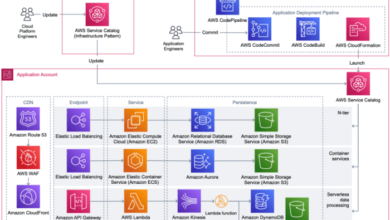
Serverless computing is a cloud computing execution model where the cloud provider dynamically manages the allocation and provisioning of servers. It allows developers to build and deploy applications without managing servers or infrastructure.Serverless computing offers several benefits, including:
- Cost savings: Developers only pay for the resources they use, eliminating the need for upfront investment in servers and infrastructure.
- Scalability: Serverless applications can scale automatically to meet changing demand, ensuring high availability and performance.
- Simplicity: Developers can focus on writing code and leave the management of servers and infrastructure to the cloud provider.
- Reliability: Cloud providers offer high levels of reliability and security, ensuring that serverless applications are always available and protected.
Serverless Computing Platforms and Services
Several cloud providers offer serverless computing platforms and services, including:
- AWS Lambda: A serverless computing platform that allows developers to run code without provisioning or managing servers.
- Google Cloud Functions: A serverless computing platform that allows developers to build and deploy functions that respond to events.
- Microsoft Azure Functions: A serverless computing platform that allows developers to build and deploy functions that run on Azure.
- IBM Cloud Functions: A serverless computing platform that allows developers to build and deploy functions that run on IBM Cloud.
Advantages and Disadvantages of Serverless Computing
Advantages:
- Cost savings: Developers only pay for the resources they use, eliminating the need for upfront investment in servers and infrastructure.
- Scalability: Serverless applications can scale automatically to meet changing demand, ensuring high availability and performance.
- Simplicity: Developers can focus on writing code and leave the management of servers and infrastructure to the cloud provider.
- Reliability: Cloud providers offer high levels of reliability and security, ensuring that serverless applications are always available and protected.
Disadvantages:
- Vendor lock-in: Developers are tied to the cloud provider’s platform, making it difficult to migrate applications to another provider.
- Limited customization: Serverless computing platforms may offer limited customization options, making it difficult to tailor applications to specific needs.
- Cold starts: Serverless functions may take some time to initialize when they are first called, which can impact performance.
Cloud Security
Cloud computing introduces unique security considerations and challenges due to its shared infrastructure, multi-tenancy, and distributed nature. Ensuring the security of cloud environments is critical for protecting data, applications, and resources from unauthorized access, breaches, and cyberattacks.
Securing cloud environments requires a comprehensive approach that involves implementing best practices, leveraging security tools and technologies, and continuously monitoring and responding to security threats.
Security Considerations in Cloud Architecture
The security considerations specific to cloud architecture include:
- Shared Responsibility Model: In cloud computing, the responsibility for security is shared between the cloud provider and the customer. The cloud provider is responsible for securing the underlying infrastructure, while the customer is responsible for securing their applications and data.
- Multi-tenancy: Cloud environments are multi-tenant, meaning that multiple customers share the same physical infrastructure. This can increase the risk of data breaches and security vulnerabilities if proper isolation and segmentation measures are not implemented.
- Distributed Nature: Cloud resources are distributed across multiple data centers and regions, making it challenging to manage and monitor security consistently.
- Insider Threats: Cloud environments can be accessed by multiple users, including employees, partners, and third-party vendors. This increases the risk of insider threats, such as data theft or sabotage.
Best Practices and Strategies for Securing Cloud Environments
To secure cloud environments effectively, organizations should adopt the following best practices and strategies:
- Implement a Cloud Security Framework: Develop a comprehensive cloud security framework that aligns with industry standards and regulations. This framework should define roles and responsibilities, security policies, and procedures for managing and monitoring cloud security.
- Encrypt Data: Encrypt data at rest and in transit to protect it from unauthorized access. Use strong encryption algorithms and key management practices to ensure the confidentiality of sensitive data.
- Implement Access Controls: Implement robust access controls to restrict access to cloud resources based on the principle of least privilege. Use multi-factor authentication (MFA) to enhance the security of user accounts.
- Monitor and Respond to Security Threats: Continuously monitor cloud environments for security threats and vulnerabilities. Use security tools and technologies to detect and respond to security incidents promptly. Conduct regular security audits and penetration testing to identify and address potential vulnerabilities.
Security Tools and Technologies for Cloud Security
Various security tools and technologies can be used to enhance the security of cloud environments, including:
- Cloud Security Posture Management (CSPM) Tools: CSPM tools provide visibility into cloud security configurations and compliance. They help organizations identify and remediate security risks and ensure compliance with security standards.
- Cloud Access Security Brokers (CASB): CASB solutions provide centralized visibility and control over access to cloud applications and data. They can enforce security policies, prevent unauthorized access, and protect against data leakage.
- Identity and Access Management (IAM) Tools: IAM tools help organizations manage user identities and access privileges across cloud environments. They enable organizations to implement role-based access control (RBAC) and enforce least privilege principles.
- Intrusion Detection Systems (IDS) and Intrusion Prevention Systems (IPS): IDS and IPS solutions monitor network traffic for suspicious activities and can detect and prevent unauthorized access attempts, malware infections, and other security threats.
Cloud Cost Optimization
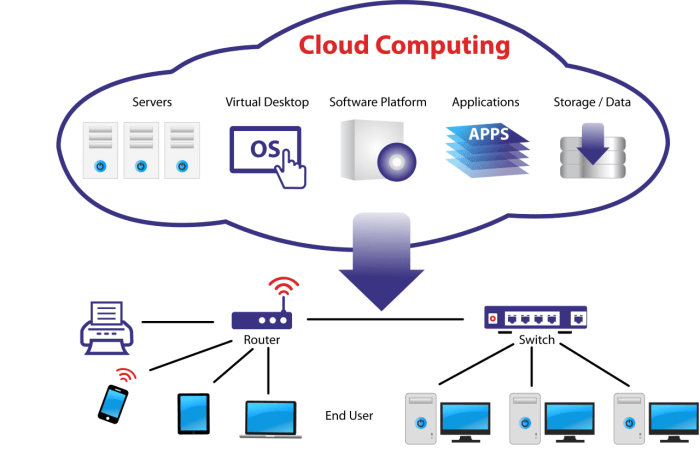
In cloud computing, cost optimization involves managing and optimizing cloud resources to reduce costs without compromising performance or functionality. It is an ongoing process that involves monitoring, analyzing, and adjusting cloud usage to ensure that organizations only pay for the resources they need and use.
Cost optimization in cloud architecture involves various strategies and techniques, including:
Resource Utilization Analysis
- Analyze cloud resource usage patterns to identify areas of over-provisioning or underutilization.
- Use cloud monitoring tools to track resource consumption and identify trends.
- Right-size resources by selecting the appropriate instance types and sizes based on actual usage.
Cloud Cost Management Tools
- Utilize cloud cost management tools provided by cloud service providers, such as AWS Cost Explorer or Azure Cost Management.
- These tools offer detailed insights into cloud spending, resource utilization, and cost allocation.
- Use third-party cost optimization tools for additional features and functionalities.
Reserved Instances and Spot Instances
- Purchase reserved instances for consistent workloads to secure discounted rates.
- Utilize spot instances for non-critical workloads that can tolerate interruptions in exchange for lower costs.
Serverless Computing
- Adopt serverless computing services, such as AWS Lambda or Azure Functions, to eliminate the need for managing servers and infrastructure.
- Serverless pricing models charge only for the actual execution time, resulting in significant cost savings.
Cloud Security Optimization
- Implement robust cloud security measures to avoid data breaches and compliance violations, which can lead to additional costs.
- Use cloud security tools and services to monitor and protect cloud resources.
Cloud Migration Optimization
- Plan and execute cloud migrations efficiently to avoid cost overruns and disruptions.
- Use cloud migration tools and services to automate and optimize the migration process.
Cloud Migration
Cloud migration is the process of moving applications, data, and other IT assets from an on-premises environment to a cloud platform. It involves planning, assessment, execution, and ongoing management. Organizations undertake cloud migration to gain the benefits of scalability, agility, cost optimization, and improved security.
However, it can be a complex and challenging process, requiring careful planning and execution.
Challenges of Cloud Migration
Organizations face several challenges during cloud migration, including:
- Technical Complexity: Migrating complex applications and workloads to the cloud can be technically challenging, requiring expertise in cloud architecture, data migration, and application re-engineering.
- Downtime and Disruption: Cloud migration can lead to downtime and disruption of critical business applications, potentially impacting productivity and revenue.
- Security Concerns: Organizations must address security risks associated with cloud migration, such as data privacy, compliance, and regulatory requirements.
- Cost Management: Cloud migration can introduce new costs, such as cloud service fees, data transfer charges, and licensing fees. Organizations must carefully manage these costs to avoid overspending.
Step-by-Step Guide for Successful Cloud Migration
To ensure a successful cloud migration, organizations should follow a step-by-step approach:
- Assessment and Planning: Assess the current IT environment, identify applications and workloads suitable for cloud migration, and develop a migration plan.
- Proof of Concept (POC): Conduct a POC to test the feasibility of the migration plan and identify any potential issues.
- Data Migration: Develop a data migration strategy, including data extraction, transformation, and loading (ETL) processes.
- Application Migration: Migrate applications to the cloud, considering factors such as re-platforming, re-hosting, or re-architecting.
- Testing and Validation: Conduct rigorous testing to ensure that migrated applications and workloads are functioning properly in the cloud environment.
- Go-Live and Monitoring: Implement the migration plan, monitor the migrated applications and workloads, and address any issues that arise.
Tools and Strategies for Minimizing Downtime and Ensuring a Smooth Migration Process
Organizations can employ various tools and strategies to minimize downtime and ensure a smooth migration process:
- Migration Tools: Utilize cloud migration tools to automate the migration process, reduce manual effort, and minimize downtime.
- Phased Migration: Migrate applications and workloads in phases to minimize the impact on business operations.
- Cloud-Native Architecture: Design applications using cloud-native principles to facilitate easier migration and scalability.
- Load Balancing and Failover: Implement load balancing and failover mechanisms to ensure high availability and minimize downtime during migration.
- Communication and Training: Communicate the migration plan to stakeholders and provide training to IT staff to ensure a smooth transition.
Future Trends in Cloud Architecture
The cloud computing landscape is constantly evolving, with new trends and innovations emerging that are shaping the future of cloud architecture. These advancements are transforming the way businesses operate and interact with data, applications, and infrastructure.
As cloud computing continues to mature, organizations are increasingly adopting hybrid and multi-cloud strategies to optimize performance, reduce costs, and enhance agility. The rise of serverless computing is also gaining traction, offering a more scalable and cost-effective way to develop and deploy applications.
Edge Computing
Edge computing is a distributed computing paradigm that brings computation and data storage closer to the devices and users that need it. This approach reduces latency, improves performance, and enhances security by minimizing the need for data to travel long distances over the network.
Edge computing is particularly well-suited for applications that require real-time processing and low latency, such as autonomous vehicles, IoT devices, and augmented reality. By bringing computation to the edge, these applications can operate more efficiently and effectively.
Quantum Computing
Quantum computing is a new and emerging field that has the potential to revolutionize cloud architecture. Quantum computers leverage the principles of quantum mechanics to perform calculations that are impossible for classical computers.
While quantum computing is still in its early stages of development, it has the potential to transform industries such as finance, healthcare, and materials science. By harnessing the power of quantum mechanics, quantum computers can solve complex problems that are currently intractable for classical computers.
Artificial Intelligence and Machine Learning
Artificial intelligence (AI) and machine learning (ML) are playing an increasingly important role in cloud architecture. AI and ML algorithms can be used to automate tasks, improve decision-making, and enhance security.
For example, AI can be used to analyze large amounts of data to identify patterns and trends that would be difficult or impossible for humans to detect. ML algorithms can be trained on historical data to make predictions and recommendations.
Last Point
As we conclude our exploration of cloud architecture types, it is evident that the future holds immense promise for this transformative technology. Emerging trends and innovations are continuously pushing the boundaries of what is possible, promising even greater agility, scalability, and cost-effectiveness.
As businesses navigate the ever-changing digital landscape, a deep understanding of cloud architecture will be an invaluable asset, enabling them to harness the full potential of the cloud and drive innovation at an unprecedented pace. The journey into the world of cloud architecture is an ongoing one, filled with exciting discoveries and boundless opportunities.